
German goulash is one of those deeply savory, fall-apart tender braised beef stews that you make once and then can't stop thinking about. Chunks of beef chuck slow-cooked until they practically melt, wrapped in a thick, paprika-rich sauce that's earthy and warm and just a little sweet from a pound and a half of golden caramelized onions. I made this for the first time on a cold, grey Sunday when I had a hunk of chuck roast in the fridge and nothing else planned, and it honestly changed how I think about weeknight cooking.
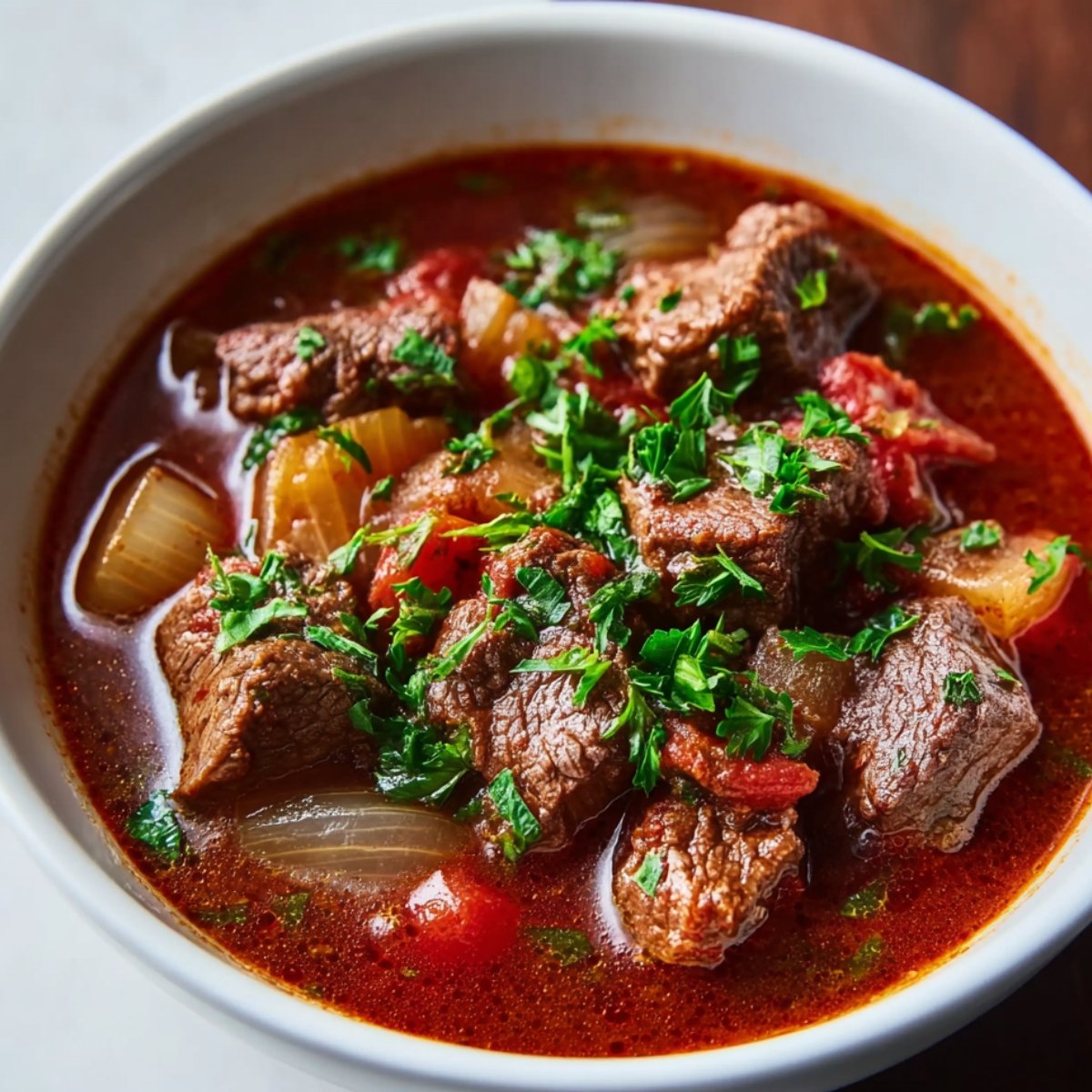
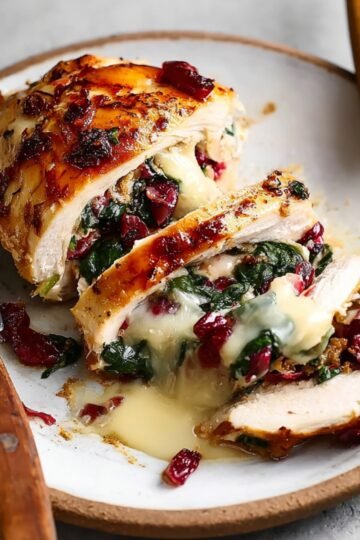
If you love warming comfort dinners like our Easy Crock Pot Chicken Stew, or cozy weekend meals like Easy Cranberry Brie Stuffed Chicken Breasts, this one belongs right next to them in your regular rotation. Serve it over buttered noodles or creamy mashed potatoes and dinner is genuinely done.
Why You'll Love This Easy Classic German Goulash Recipe
This classic German goulash is the kind of dinner that does all the heavy lifting for you. Once everything is in the pot and the oven door closes, you're free. No stirring every ten minutes, no watching the stove, no last-minute stress. Just a kitchen that smells incredible and a meal that practically makes itself.
The beef turns completely fall-apart tender, the sauce thickens into something glossy and deep, and the paprika and caraway do this slow, quiet thing where they just get richer the longer they cook. It tastes like it came from a proper German kitchen, but it's made with ingredients you can grab at any grocery store without a second thought.
It's also one of those rare recipes that genuinely improves overnight. Make it Sunday, eat it Monday, and somehow it's even better. Leftovers reheat beautifully and the sauce only gets silkier as it sits. If you've been looking for a cozy, low-effort, high-reward dinner that the whole table will go quiet over, this is it.
Jump to:
German Goulash Ingredients
Here's what you'll need and why each one earns its place in the pot.
See Recipe Card Below This Post For Ingredient Quantities
- onions, chopped: Onions are the backbone of this dish. They cook down slowly into a sweet, golden base that gives the sauce its body, depth, and a natural sweetness that balances the paprika.
- olive oil: Used to caramelize the onions and brown the beef. Any neutral oil works fine, but olive oil adds a mild richness.
- beef chuck roast or stew beef, cubed into 1 to 1½-inch pieces: Chuck is the best cut for this recipe because the marbling keeps the meat moist and the connective tissue breaks down during the braise, making the sauce silky.
- green pepper, chopped: Adds a mildly bitter, fresh note that balances the sweet onions and rich paprika.
- cloves garlic, minced: Brings savory depth that rounds out the spice blend without overpowering it.
- tomato, seeded and diced: A small amount of fresh tomato adds acidity and brightness to cut through the richness.
- kosher salt, divided: Used in two stages, first for the onions and then for the beef, so the seasoning builds from the start.
- black pepper: Adds a quiet, warm background heat.
- sweet Hungarian paprika: This is the heart of the dish. Sweet Hungarian paprika is fruitier and milder than smoked paprika and gives goulash with paprika its signature deep red color and earthy, warm flavor.
- dried marjoram: A traditional herb in German cooking, slightly floral and herby, that softens the bold spice notes.
- caraway seed: Earthy and faintly anise-like, caraway is one of those flavors that quietly makes everything taste more authentically German comfort food.
- tomato paste: Concentrates tomato flavor and helps thicken the sauce during the long braise.
- beef broth or bouillon: The braising liquid. A good-quality broth makes a real difference in the final depth of flavor.
- dry red wine: Adds acidity, complexity, and a gentle richness. Use something you'd drink. A simple table wine is perfect.
- leaf: Infuses a subtle herbal background note during the braise. Remove before serving.
- chopped fresh parsley: Stirred in at the end for a fresh, bright finish that cuts through all that richness.
How to Make Classic German Goulash
Short and simple: brown, build, braise.
- Preheat the oven: Set your oven to 325°F (165°C) with the rack in the center. Low heat and a long braise is what makes this dish unforgettable.
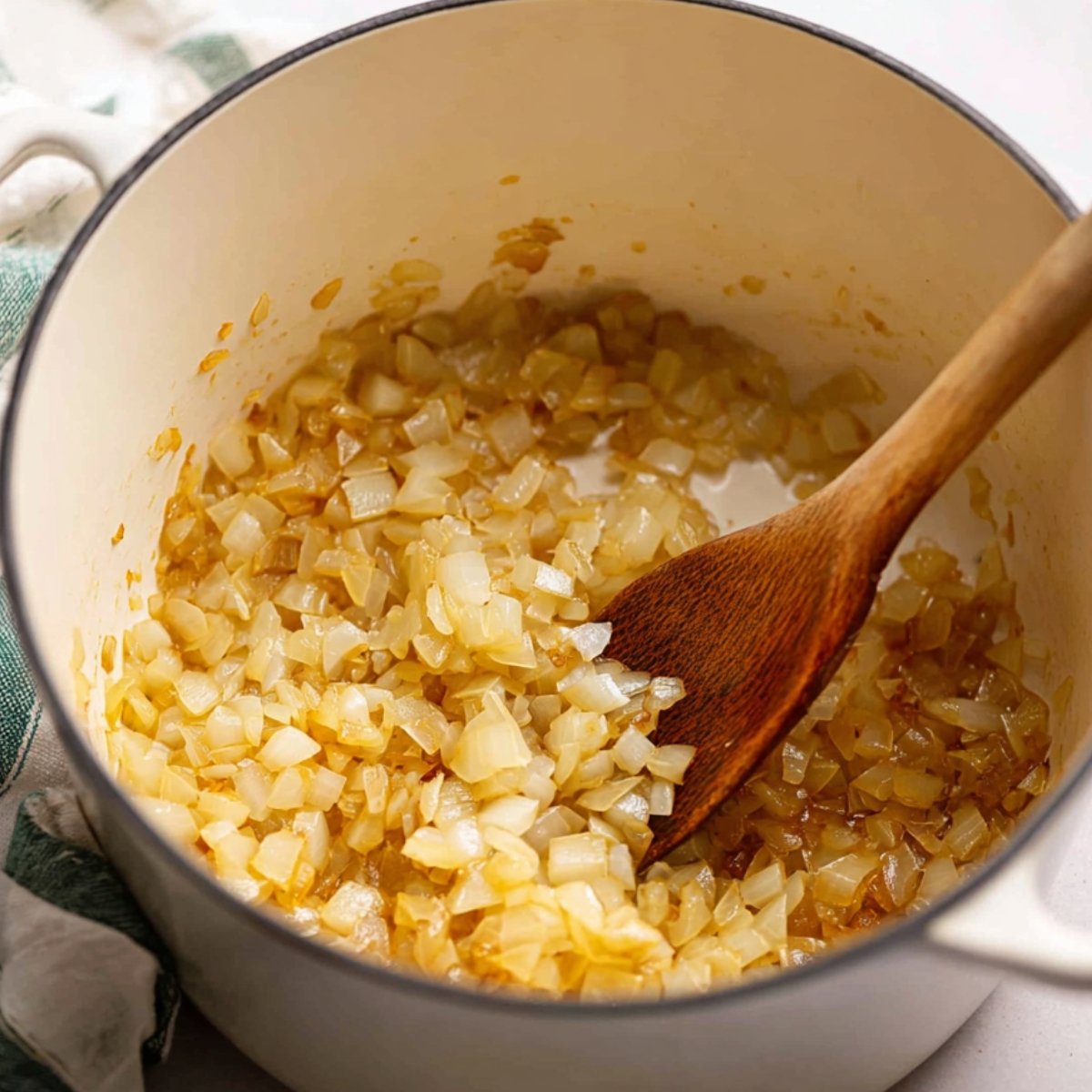
- Caramelize the onions: Heat 2 tablespoons of olive oil in a Dutch oven over medium heat. Add the 1½ pounds of chopped onions and ½ teaspoon of kosher salt. Cook for 15 to 20 minutes, stirring occasionally, until the onions are soft, golden, and smell sweet and nutty. Transfer them to a separate dish.
- Brown the beef: Season the 2 pounds of beef with the remaining ½ teaspoon of salt and ½ teaspoon of black pepper. Raise the heat to medium-high and brown the beef in the same Dutch oven for 5 to 10 minutes, turning occasionally. You want a deep, dark crust on all sides. That browning is pure flavor, don't rush it.
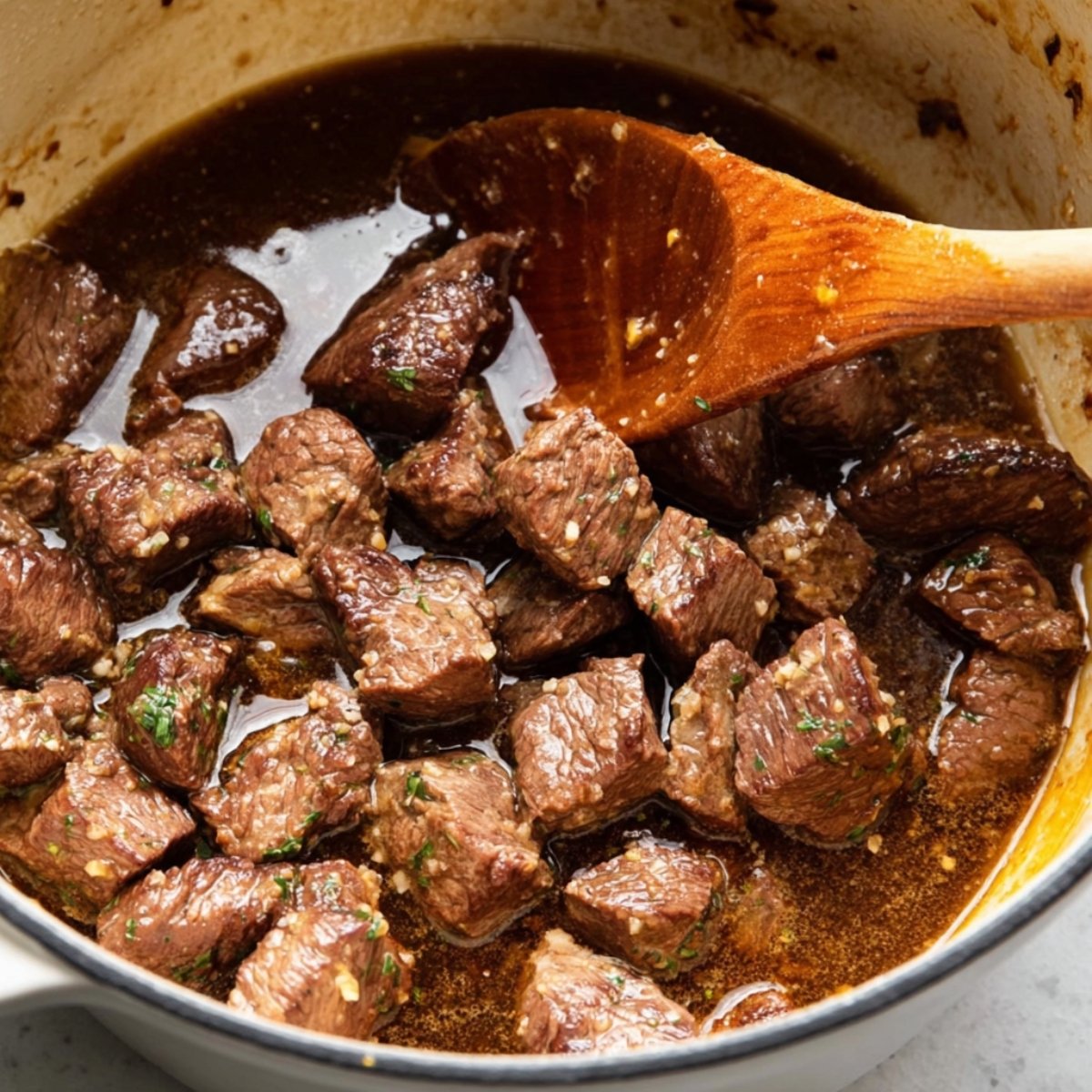
- Build the braising base: Return the caramelized onions to the pot. Add the green pepper, diced tomato, minced garlic, 2 tablespoons of sweet Hungarian paprika, 2 teaspoons of marjoram, 1 teaspoon of caraway seed, 2 tablespoons of tomato paste, 2 cups of beef broth, ½ cup of red wine, and the bay leaf. Stir to combine and bring the whole pot to a boil.
- Braise: Cover the pot with the lid set slightly askew to allow steam to escape. Transfer to the oven and cook for 1½ hours, or until the beef is completely tender and the sauce has thickened into a rich, glossy gravy.
- Finish and serve: Pull the pot from the oven. Remove and discard the bay leaf. Stir in ¼ cup of chopped fresh parsley. Taste and adjust salt if needed. Serve hot over spaetzle, buttered noodles, or mashed potatoes.
Simple Swaps and Substitutions
Fresh parsley: Fresh thyme or a small handful of basil leaves can stand in at the end.
Beef chuck: Short ribs or beef brisket both braise at a similar rate and produce a similarly silky sauce.
Dry red wine: Replace with extra beef broth plus a small splash of red wine vinegar to maintain the acid balance.
Sweet Hungarian paprika: Regular sweet paprika is a fine substitute. Smoked paprika changes the flavor profile but creates a tasty variation.
Dried marjoram: Dried thyme or oregano work in a pinch. Marjoram is milder and slightly sweeter, but either holds its own.
EQUIPMENT for German Goulash
Dutch oven or heavy oven-safe pot (at least 5-quart): Goes from stovetop to oven without any fuss and retains heat evenly for a steady braise.
Sharp knife and cutting board: For chopping the onions, pepper, and cubing the beef.
Wooden spoon or heat-safe stirring spoon: For building the sauce and stirring as everything comes together.
Storing Your Leftovers
This rich beef stew stores exceptionally well. It's one of those dishes where day two tastes even better than day one.
Freezer: Freeze in portioned containers for up to 3 months. Thaw overnight in the fridge and reheat slowly on the stovetop. The sauce may look a little separated when it first thaws but will come back together as it warms.
Refrigerator: Cool completely and transfer to an airtight container. Keeps well for up to 4 days. Reheat gently on the stovetop or in the microwave, adding a small splash of broth if the sauce has thickened too much.
Expert Tips
Don't skip the onion step. Those 15 to 20 minutes of slow caramelization are what give the sauce its natural sweetness and body. Rushed onions taste sharp and thin, and you'll notice the difference in the final dish.
Brown the beef in batches if your pot is crowded. Overcrowding the pot steams the meat instead of searing it, and you lose the dark crust that drives the flavor.
Let the paprika bloom briefly in the oil before adding any liquids. Even 30 extra seconds makes it more fragrant and deeper in flavor.
Taste for salt after cooking. Long braises concentrate everything, so the salt level at the end will be different from the start. Always adjust at the finish. Make it ahead when you can. This classic German dinner tastes significantly better after a night in the fridge. If you're serving it for guests, make it the day before and reheat slowly.
FAQ
What is German goulash?
German goulash is a thick, braised beef stew made with sweet Hungarian paprika, caramelized onions, garlic, caraway seed, and marjoram, slow-cooked until the beef is tender and the sauce is deeply rich. It's a staple of German Goulash comfort food, usually served over spaetzle or buttered noodles. Think of it as a paprika-forward pot roast with a silky, stew-like sauce and a flavor that gets better the longer it sits.
What is the difference between German goulash and Hungarian goulash?
German goulash vs Hungarian goulash comes down to texture and tradition. Hungarian goulash is closer to a thick soup, often including potatoes, and sometimes finished at the table as a first course. German goulash is a saucier, thicker braised stew with more red wine and marjoram, served over noodles rather than eaten from a bowl as a soup. Both are paprika-forward and deeply satisfying, but the German Goulash version is heartier as a standalone main course.
What are the four ingredients in German Goulash ?
At its most basic, a traditional goulash comes down to beef, onions, paprika, and a liquid like broth. Everything else in this recipe, the garlic, caraway, marjoram, wine, and tomato paste, builds complexity on top of that simple foundation. Those four elements are the core of every good goulash, whether German or Hungarian.
What are the two types of German Goulash ?
The two most classic types are Hungarian goulash, a paprika-spiced soup or stew often with potatoes, and German goulash, a thicker braised beef stew served over noodles or spaetzle. American goulash is a completely different dish, typically ground beef and elbow pasta in a tomato sauce, and isn't really related to either European version beyond sharing the name.
Related
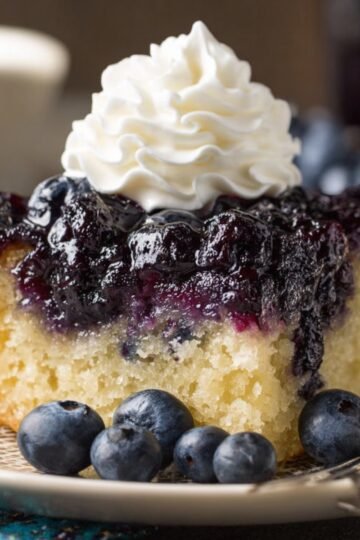
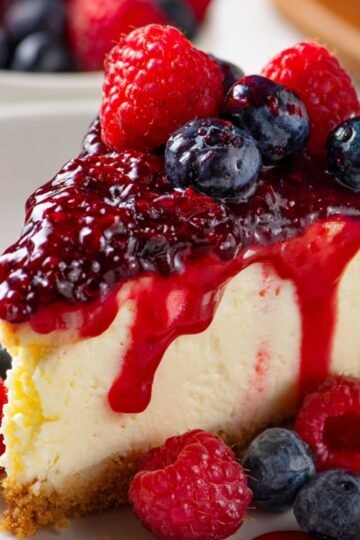
Looking for other recipes like this? Try these:

Pairing
These are my favorite dishes to serve with German Goulash :



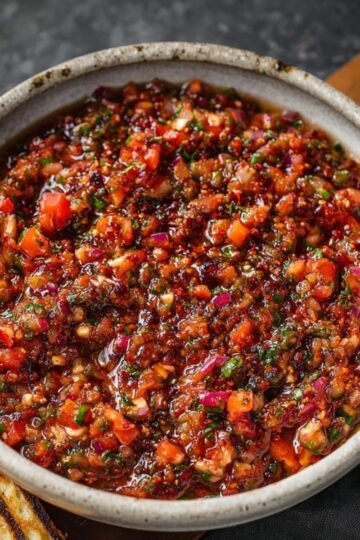
Classic German Goulash
Ingredients
Method
- Preheat the oven to 325°F (160°C) and position the rack in the center.
- Heat 2 tablespoons olive oil in a Dutch oven over medium heat. Add chopped onions and ½ teaspoon kosher salt, cooking for 15-20 minutes until softened and golden.
- Transfer the onions to a separate dish and set aside.
- Season the beef cubes with the remaining salt and ½ teaspoon black pepper. Brown the beef in the same Dutch oven over medium-high heat for 5-10 minutes, stirring occasionally.
- Stir in the cooked onions, chopped green pepper, diced tomato, minced garlic, paprika, marjoram, caraway seed, tomato paste, beef broth, red wine, and bay leaf. Bring the mixture to a boil.
- Place the lid on the Dutch oven askew to allow steam to escape. Transfer the pot to the oven and cook for 1½ hours, or until the beef is tender.
- Once done, remove the pot from the oven, and garnish with freshly chopped parsley. Serve with spaetzle, buttered noodles, or potatoes.


Leave a Reply