
Turkish Eggs are silky, deeply savory, and honestly unlike anything else I've made for brunch. Soft poached eggs nestle right on top of cool, garlicky yogurt, and then you pour that sizzling, brick-red Aleppo butter all over the top, and the whole bowl just blooms. I first tried Cilbir at a tiny café that a friend dragged me into on a slow Saturday morning, and I still think about that bowl. The best part is that you only need about 20 minutes and a handful of everyday ingredients to recreate it at home.

If you love cozy egg breakfasts like my Easy Crispy Feta Fried Eggs Recipe or a sweet morning treat like these Easy Cinnamon Roll Pancakes with Cream Cheese Glaze, this one absolutely belongs on your table too.
Why You'll Love This Turkish Eggs
This is a high-protein brunch recipe that feels special without requiring any complicated technique. The garlic yogurt base takes about two minutes to stir together. The Aleppo butter is a quick 30 seconds in a pan. Poaching eggs sounds intimidating to some home cooks, but there's a small trick with a fine mesh sieve that makes it so much easier and cleaner.
It's also incredibly flavorful for such a short ingredient list. The creamy yogurt, the runny yolk, the smoky spiced butter, and the fresh dill all hit different notes at once. It's filling, it's beautiful, and it works equally well for a quiet weekday breakfast or a slow weekend brunch with people you love.
Jump to:
Turkish Eggs Ingredients
Here's a quick look at what goes into the bowl, and why each ingredient does its job.
See Recipe Card Below This Post For Ingredient Quantities
- Whole Milk Greek Yogurt: This is the foundation of the dish. Whole milk yogurt is thick and rich enough to hold the eggs in place without running all over the bowl. Low-fat versions tend to get watery, and the whole texture suffers. Stick with the full-fat kind here.
- Garlic Clove, Finely Grated: Grating the garlic instead of mincing it keeps the yogurt base perfectly smooth. It gives that subtle savory depth without any harsh raw texture.
- Salt : A portion goes into the yogurt to season it, and a little more goes into the poaching water. It's a small detail that makes everything taste more finished.
- Fresh Dill : Dill is traditional in cilbir and adds a clean, bright note that cuts through the richness of the butter and egg yolk. Don't skip it if you can help it.
- Unsalted Butter : This becomes the spiced butter sauce that ties the whole dish together. Using unsalted butter means you control the salt level, and the butter carries the Aleppo pepper beautifully once it melts.
- Aleppo Pepper: Fruity, oily, and moderately warm rather than sharp, Aleppo pepper is the signature flavor in this dish. If you've never cooked with it before, this recipe is the perfect reason to start.
- Paprika : Adds a little earthy depth and helps give the butter that gorgeous deep red color.
- White Vinegar : Goes into the poaching water to help the egg whites hold together. You won't taste it at all in the final bowl.
- Large Eggs : Fresh eggs poach noticeably better. The whites hold their shape more neatly and the yolks stay beautifully centered.
- Warm Crusty Bread or Pita: For serving and scooping. The scooping is honestly the best part.
How to Make Turkish Eggs
Here's a quick tip before you start: prep the yogurt first, then get your bread warming while the poaching water heats up. Everything comes together fast once it's going.
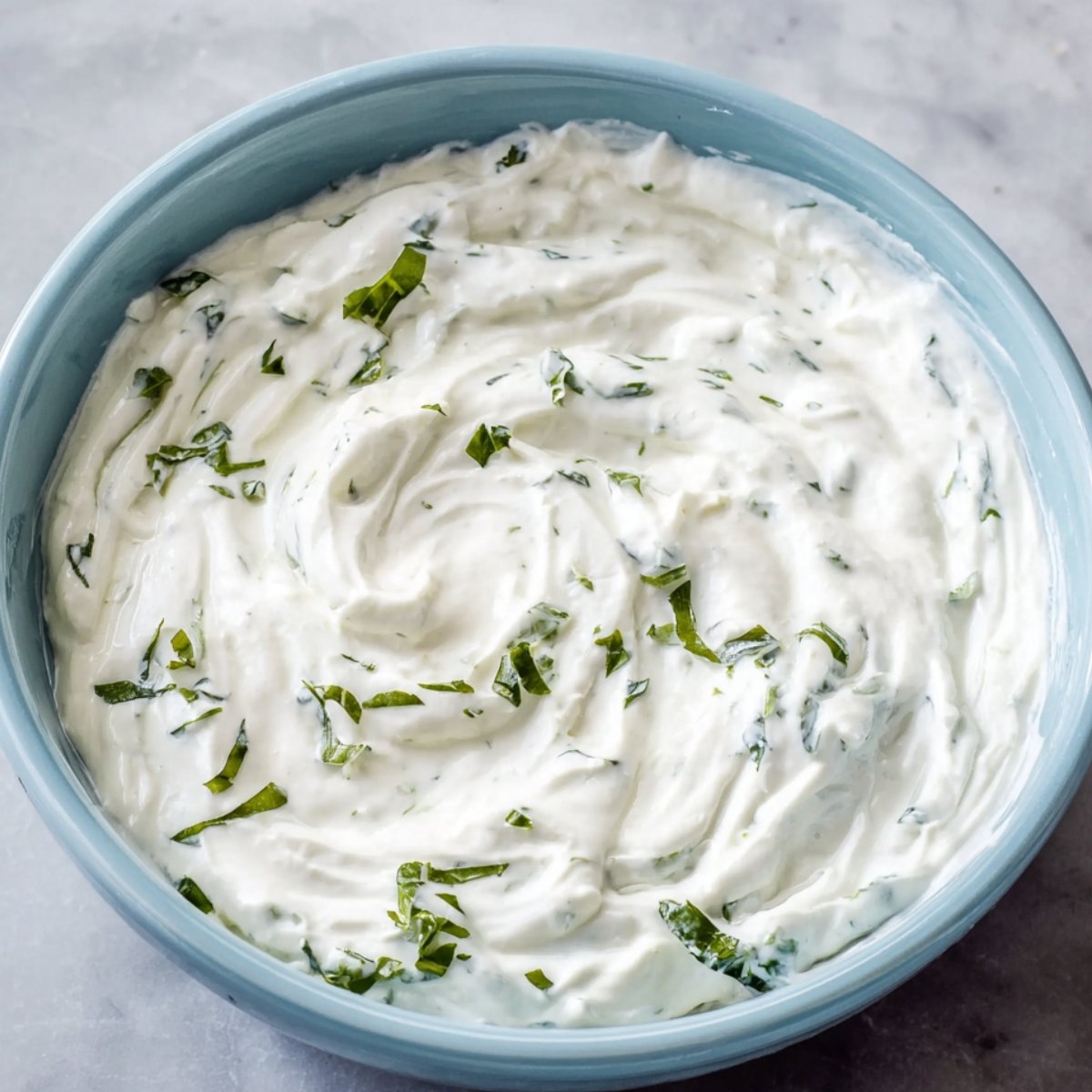
- Make the yogurt base: In a small bowl, stir together the Greek yogurt, grated garlic, ¼ teaspoon salt, and the chopped dill until smooth. Divide the mixture between two shallow serving bowls and spread it into a thick, even layer. This is the bed the eggs will rest on, so be generous with it.
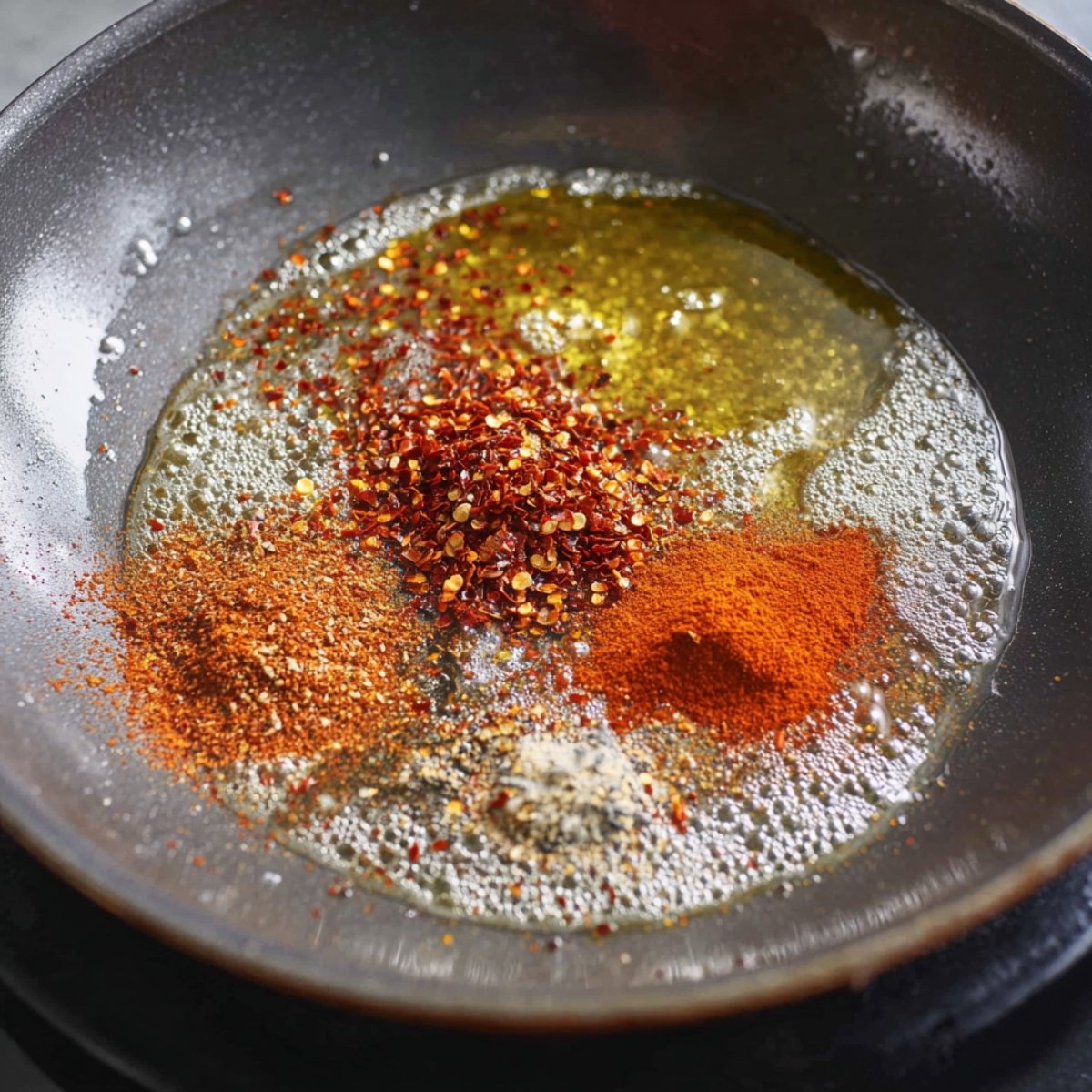
- Make the Aleppo butter: Melt the butter in a small skillet over medium heat for 1 to 2 minutes, letting it foam up. Stir in the Aleppo pepper and paprika and cook for 20 to 30 seconds, swirling the pan, until it smells warm and fragrant. Pull it off the heat and set it aside. It'll stay warm while you handle the eggs.
- Prep the eggs: Crack each egg into a fine mesh sieve set over a small bowl and let the thin, watery whites drain away for about 30 seconds. Then transfer each egg to its own small ramekin or cup. This one step makes a real difference. The eggs hold their shape so much more neatly in the water.
- Poach the eggs: Fill a deep skillet with about 3 inches of water and bring it to a gentle simmer, small bubbles rising slowly, not a rolling boil. Stir in the white vinegar. Give the water a slow swirl to create a gentle vortex, then slide in the eggs one at a time. Cook for 3 minutes for soft, runny yolks. For medium-set yolks, go 3 ½ to 4 minutes. Lift each egg out with a slotted spoon and let the excess water drain for a moment before placing them in the bowls.
- Assemble and serve: Nestle two poached eggs onto the yogurt in each bowl. Drizzle the hot Aleppo butter evenly over the eggs and yogurt so every bite gets that heat and color. Scatter a little extra fresh dill on top. Serve warm right away with crusty bread or pita on the side for scooping.
Swaps and Substitutions
No Aleppo pepper? A mix of sweet paprika with a small pinch of red pepper flakes gets close. The flavor won't be identical, but the effect is similar and still really good.
No fresh dill? Dried dill works in a pinch. Use about ½ teaspoon. Fresh parsley or fresh mint are also lovely if you want a slightly different herbal note.
No white vinegar? Apple cider vinegar works perfectly fine in the poaching water. It serves the same purpose.
Dairy-free? A thick, unsweetened coconut or cashew-based yogurt can step in for the Greek yogurt. The flavor shifts a little, but the texture still holds up well.
Want more heat? Add a small pinch of cayenne to the butter right alongside the Aleppo pepper.
EQUIPMENT for Turkish Eggs
Fine Mesh Sieve/Strainer: This is the real secret to neat, tidy poached eggs. Draining off the loose, watery whites before cooking means you get eggs that hold together cleanly instead of turning into the wispy, ragged kind that float apart in every direction.
5-Piece Cookware Set (or a deep skillet and a small pan): You'll need one wider, deep pan for the poaching water and one small skillet for the spiced butter. Nothing specialized or fancy required at all.
Storage Tips
Cilbir is genuinely best the moment it's made. Poached Turkish Eggs don't reheat well, and the yogurt base is meant to be cool against the warm eggs and hot butter. That contrast is half the point.
That said, if you need to prep ahead, the garlic yogurt base can be made up to one day in advance and stored covered in the refrigerator. Give it a quick stir before serving.
The Aleppo butter can also be made a few hours ahead and gently rewarmed in the pan over low heat right before you're ready to eat.
Freshly poached Turkish Eggs are the one element you really can't make ahead. They're worth the 3 to 4 minutes, every single time.
Expert Tips
Let the yogurt warm up slightly. Cold yogurt straight from the fridge with hot Turkish Eggs on top can make the bowl feel off temperature-wise. Let it sit out for 10 to 15 minutes while you prep everything else.
Don't rush the butter. Watch it closely. You want it foamy and fragrant, not brown. Once the Aleppo pepper and paprika go in, it only needs 20 to 30 seconds. Pull it off the heat quickly.
Keep the poaching water at a gentle simmer, not a boil. Hard, rolling water will thrash the eggs around and tear the whites apart. Small, lazy bubbles are exactly what you want.
Work in batches for a crowd. Two eggs at a time in a standard skillet is completely manageable. More than that gets crowded and harder to control.
Taste the yogurt before assembling. The yogurt layer carries a lot of the flavor in this dish. Make sure it tastes good and well-seasoned on its own before you build the bowls.
FAQ
What exactly are Turkish eggs?
Turkish Eggs, known as Cilbir, is a traditional Turkish breakfast recipe made of poached Turkish Eggs served over a thick garlic yogurt sauce, finished with warm spiced butter drizzled on top. It's been a part of Turkish food culture for hundreds of years and is loved for being both simple and deeply flavorful. The combination of cool tangy yogurt, runny yolk, and smoky Aleppo-pepper butter in every single bite is what makes it so unforgettable. A warm family-style tip: serve it with extra bread on the side so everyone at the table can scoop up every last drop.
Are Turkish eggs the same as shakshuka?
They're completely different dishes. Turkish eggs (cilbir) use poached eggs over cold garlic yogurt with spiced butter poured on top. Shakshuka is a dish where eggs are cooked directly in a hot tomato-based sauce. Both are popular Mediterranean egg dishes, and both are wonderful, but the flavors, textures, and methods are quite different. Turkish eggs are also sometimes compared to Menemen, which is a Turkish scrambled egg dish cooked with peppers and tomatoes, but again, a different preparation entirely. If you love one, you'll very likely love all three.
What are Turkish eggs also called?
The traditional name is Cilbir, often spelled "çılbır" in Turkish. In English, you'll most commonly see it written as Turkish Eggs or Turkish poached eggs with yogurt. If you search for Turkish eggs Ottolenghi or look for it in restaurant menus, all of those terms point to the same beautiful dish. Some menus also just call it "yogurt eggs" or "eggs with yogurt sauce."
Are Turkish eggs healthy?
Yes, this is a genuinely solid healthy egg recipe. Each serving delivers about 22 grams of protein from the combination of eggs and Greek yogurt, along with healthy fats and only 6 grams of carbohydrates. The Aleppo pepper and garlic both carry anti-inflammatory properties, and the yogurt brings calcium and probiotics to the table. It's filling and satisfying in a way that keeps you going for hours. For a lighter version, a lower-fat yogurt works, though the texture and richness shift a little. It's a high-protein brunch recipe that genuinely earns its place on the regular rotation.
Related
Looking for other recipes like this? Try these:




Pairing
These are my favorite dishes to serve with Turkish Eggs:




Turkish Eggs
Ingredients
Method
- Stir together the yogurt, grated garlic, ¼ teaspoon salt, and chopped dill in a small bowl until smooth. Divide the mixture between two shallow serving bowls, spreading it evenly to form a thick bed for the eggs.
- Melt the butter in a small skillet over medium heat for 1 to 2 minutes until it foams. Stir in Aleppo pepper and paprika, cooking for 20-30 seconds until fragrant. Remove from heat and set aside.
- Crack each egg into a fine mesh sieve over a small bowl. Allow the excess egg whites to drain. Transfer each egg to individual ramekins.
- Fill a deep skillet with 3 inches of water and bring it to a gentle simmer (small bubbles). Stir in the vinegar. Create a vortex by stirring the water, then gently slide in each egg. Cook for 3 minutes for a runny yolk or 3½ to 4 minutes for a medium yolk. Lift out the eggs with a slotted spoon, letting any excess water drain.
- Place two poached eggs in each bowl on top of the yogurt mixture. Drizzle the hot chili butter evenly over the eggs and yogurt. Garnish with extra dill and serve warm with crusty bread or pita.




Leave a Reply