
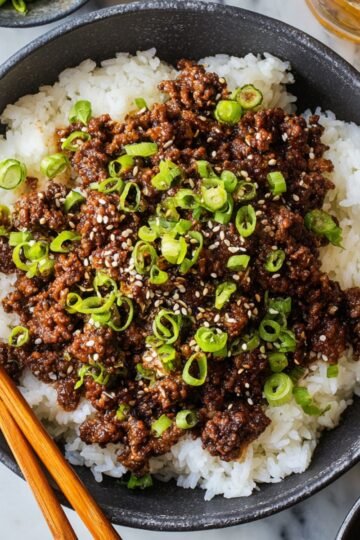
Mongolian ground beef noodles - saucy, sweet, and just the right amount of savory - are the kind of dinner that smells so good while it cooks that people wander into the kitchen asking what's for dinner before you've even called them. I started making this after one particularly tired Tuesday when I couldn't face anything complicated, and it's been on regular rotation ever since. The sauce is simple pantry stuff, the whole thing comes together in one pan, and the rice noodles soak up every drop of that glossy, garlicky sauce.
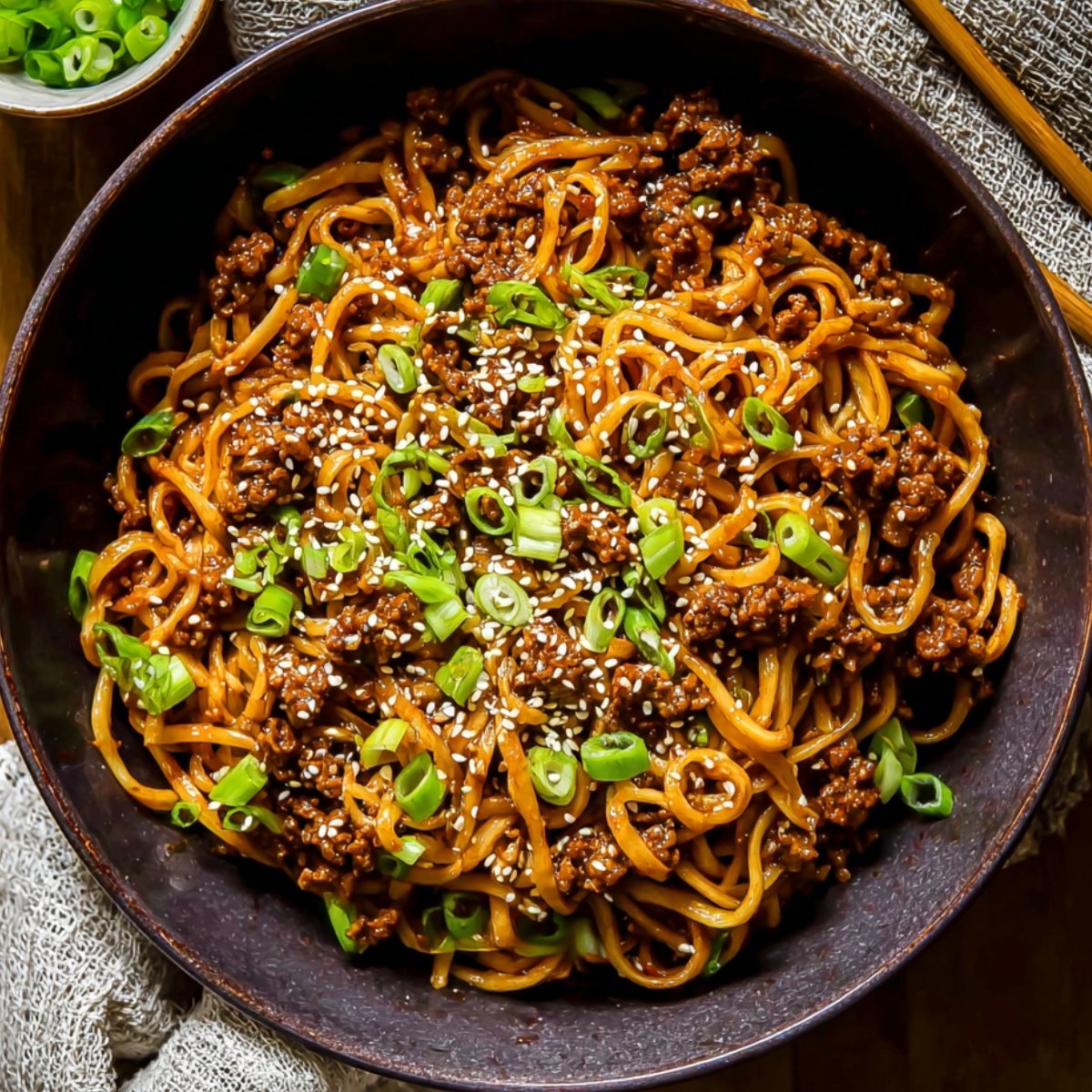
If you love quick dinners that taste like you tried way harder than you did, this one's for you - kind of like our Easy Orange Chicken Recipe or a cozy bowl of Easy Beef Bourguignon Recipe when you're in the mood for something a little more layered.
Why You will Love This Mongolian Ground Beef Noodles Recipe !
This one earns a permanent spot in the weeknight rotation, and here's why.
It's genuinely done in 20 minutes. Not "20 minutes if you're a professional chef" - actually 20 minutes, start to finish, including cleanup. Five minutes of prep and fifteen minutes on the stove and dinner is on the table.
Everything cooks in one pan. The beef browns, the sauce thickens, the Easy Mongolian Ground Beef Noodles Better Than Takeout toss right in - no juggling three pots or washing a pile of dishes after a long day.
The ingredients are pantry staples. Soy sauce, brown sugar, garlic, ginger, cornstarch - most of this is already sitting in your kitchen. The only thing you might need to grab is the dark soy sauce, and once you have it, you'll reach for it all the time.
Ground beef makes this more budget-friendly than the restaurant version without losing any of the flavor. That 80/20 beef browns up beautifully and soaks up the sauce in a way that sliced steak honestly can't match at this speed.
The sauce is sticky, sweet, and savory in exactly the right balance. It clings to every noodle, it smells incredible while it's cooking, and it tastes like something that took way more effort than it did.
And the biggest reason of all - everybody eats it. Kids, picky eaters, people who "don't really like noodles." That glossy, garlicky sauce on soft rice Mongolian Ground Beef Noodles has a way of winning people over every single time.
Jump to:
- Why You will Love This Mongolian Ground Beef Noodles Recipe !
- Mongolian Ground Beef Noodles Ingredients
- how to make Mongolian Ground Beef Noodles
- Smart Swaps and Easy Substitutions
- EQUIPMENT for Mongolian Ground Beef Noodles
- Storing and Reheating Leftovers
- Expert Tips
- FAQ
- Related
- Pairing
- Mongolian Ground Beef Noodles
Mongolian Ground Beef Noodles Ingredients
Here's what you need and why each one earns its place.
See Recipe Card Below This Post For Ingredient Quantities
For the Noodles
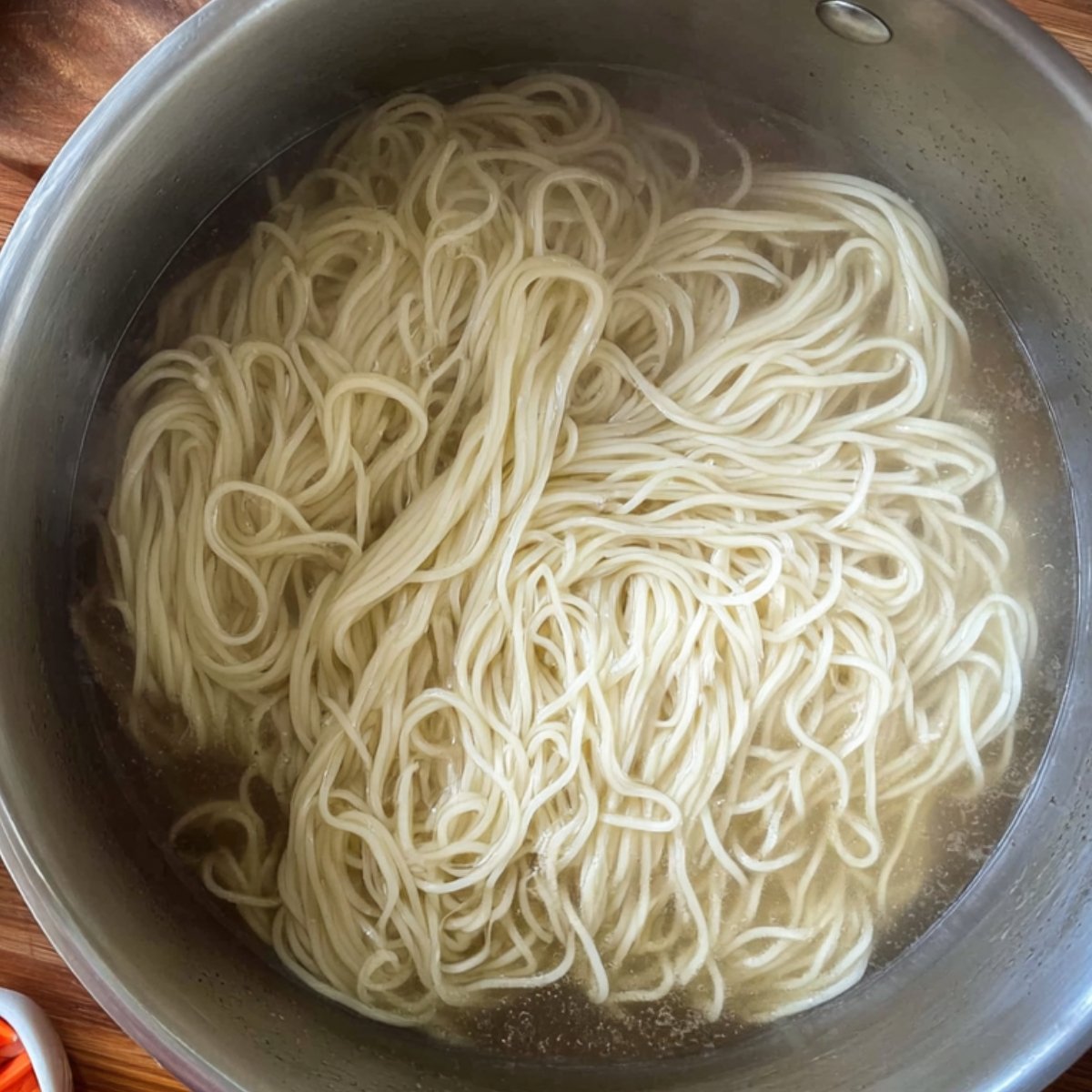
- Rice noodles: The base of this dish. They're silky, slightly chewy, and absorb the Mongolian beef sauce without turning heavy or gummy. Cook them just until tender - a touch underdone is ideal since they'll finish cooking in the skillet with the sauce.
- Ground beef, 80/20 : The fat in 80/20 ground beef keeps the meat juicy and adds flavor as it browns. Leaner beef can turn dry and crumbly here. You want those little crispy-edged pieces that form when the beef hits a hot pan.
- Fresh ginger, finely minced: Adds a warm, slightly sharp bite that cuts through the sweetness in the sauce. Fresh ginger is noticeably brighter than dried powder - it's worth using if you have it.
- Garlic cloves, finely minced : Four cloves sounds like a lot until you taste how they mellow and sweeten once they cook down into the beef. They're the backbone of the savory flavor here.
- Green onions and white sesame seeds: These are the garnish, but they matter. Green onions add a fresh, crisp contrast to the rich sauce, and sesame seeds bring a gentle nuttiness to each bite.
For the Mongolian Sauce
- Low-sodium soy sauce : The primary flavor base. Using low-sodium keeps the salt level in check when you're working with this much liquid.
- Dark soy sauce : This is the ingredient that makes Mongolian noodles look and taste like restaurant food. It's thicker, slightly less salty, and gives the sauce that deep caramel-brown color. Find it at any Asian grocery or online.
- Water : Balances the sauce and keeps it from being too thick before it hits the heat. It also helps the noodles toss evenly without clumping.
- Brown sugar: Adds the sweetness that defines Mongolian-style beef. Brown sugar has a subtle molasses depth that white sugar doesn't - it rounds out the salty soy sauce in a way that just works.
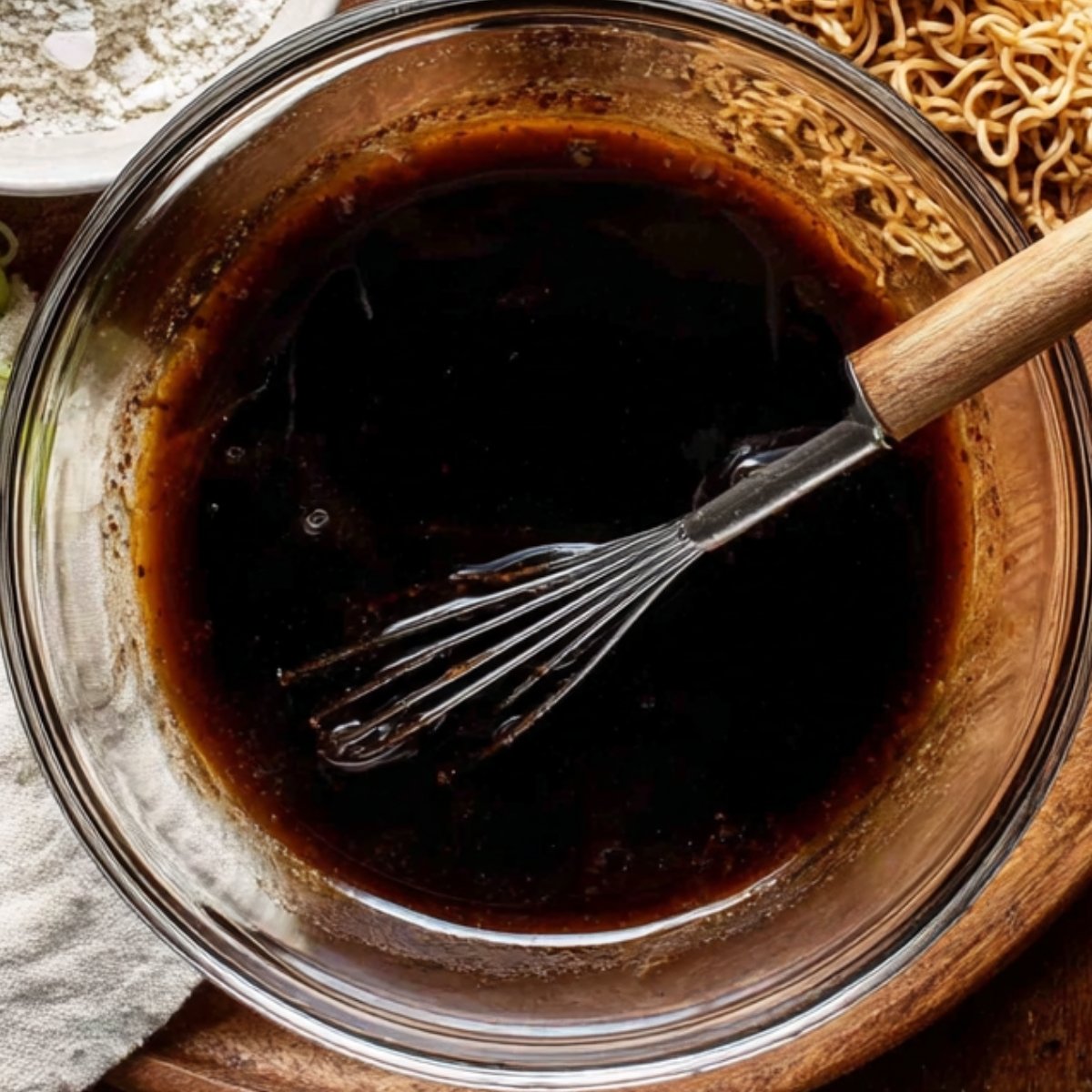
- Cornstarch : The thickener. It turns the sauce glossy and clingy so it coats every noodle. Whisk it in while the sauce is still cold and it'll dissolve smoothly.
how to make Mongolian Ground Beef Noodles
Simple steps, one pan, big flavor.
- Mix the sauce: Whisk together the low-sodium soy sauce, dark soy sauce, water, brown sugar, and cornstarch in a glass bowl until smooth and the cornstarch is fully dissolved. Set it aside - having this ready before you start cooking makes everything easier.
- Cook the noodles: Prepare the rice noodles according to package instructions - usually a quick boil or soak for 3-4 minutes. Drain well and set aside. Don't cook them too early or they'll stick together in the colander.
- Brown the beef: Heat a small drizzle of oil in a large wok or skillet over medium-high heat. Add the ground beef and break it into small pieces with a wooden spoon or spatula. Cook until browned and nearly all the pink is gone, about 5-7 minutes. Drain any excess fat if there's a lot.
- Add ginger and garlic: Add the finely minced ginger and garlic to the browned beef and stir to combine. Cook for 2-3 minutes, stirring often, until everything smells incredible and the garlic has softened. This is the moment the kitchen starts to smell like something great is about to happen.
- Pour in the sauce: Give the sauce bowl a quick stir to re-mix the cornstarch, then pour it over the beef. Stir to coat everything evenly. Let it simmer for 3-4 minutes, stirring occasionally, until the sauce thickens and turns glossy. It should coat a spoon and look rich and dark.
- Toss in the noodles: Add the drained rice noodles to the skillet and toss everything together with tongs until the noodles are fully coated in the sauce. If it looks a little tight, add a small splash of water to loosen things up.
- Garnish and serve: Plate the noodles and top generously with sliced green onions and a sprinkle of white sesame seeds. Serve immediately while the sauce is still warm and saucy.
Smart Swaps and Easy Substitutions
Want heat: Stir in a teaspoon of chili garlic sauce or a pinch of red pepper flakes when you add the ginger and garlic.
Noodles: No rice noodles? Lo mein Mongolian Ground Beef Noodles, spaghetti, udon, or even ramen noodles all work here. Adjust cook time based on the package directions.
Protein: Mongolian ground beef noodles turkey or ground chicken are both good swaps for a lighter version. The flavor will be milder, so let the sauce do the heavy lifting.
Dark soy sauce: If you can't find it, use all low-sodium soy sauce. The color will be lighter but the flavor is still very good.
Brown sugar: Honey or maple syrup work as substitutes - use slightly less since they're sweeter. White sugar is fine in a pinch but loses some depth.
EQUIPMENT for Mongolian Ground Beef Noodles
Wok or large skillet: A wok is ideal for high-heat stir-frying and tossing Mongolian Ground Beef Noodles, but any large skillet works well.
Wooden spoon or spatula: For breaking up the Mongolian ground beef noodles and stirring the sauce without scratching your pan.
Whisk: Essential for getting the cornstarch fully dissolved in the cold sauce - lumpy sauce is the enemy here.
Glass bowl: For mixing and holding the sauce mixture until you're ready to add it to the pan.
Storing and Reheating Leftovers
Leftovers keep well in an airtight container in the fridge for up to 3 days. The rice Mongolian Ground Beef Noodles will absorb more sauce as they sit, so they'll look drier the next day - that's normal. When reheating, add a small splash of water or low-sodium broth, then warm in a skillet over medium heat or microwave in 60-second intervals, stirring between each one.
Freezing works in a pinch, but rice Easy Mongolian Ground Beef Noodles Better Than Takeout tend to get mushy after thawing. If you want to prep ahead for the freezer, store the Mongolian ground beef noodles and sauce separately and cook fresh noodles when you're ready to eat.
Expert Tips
Stir the sauce right before you pour it in. Cornstarch settles at the bottom of the bowl quickly - if you skip this step, you'll end up with a lumpy sauce instead of that smooth, glossy coat you're going for.
Use medium-high heat the whole time. You want caramelized Mongolian ground beef noodles with a little color on it and a sauce that thickens fast, not a slow simmer that turns watery and dull.
Undercook the Easy Mongolian Ground Beef Noodles Better Than Takeout slightly before adding them to the skillet. They'll keep softening in the hot sauce, and fully cooked noodles tossed in heat can go mushy fast. Pull them a minute early and they'll finish up perfectly.
Drain the excess fat from the Mongolian Ground Beef Noodles before adding the garlic and ginger. Too much grease in the pan dilutes the sauce and makes the whole dish feel heavy instead of saucy and clean.
Don't skip the dark soy sauce if you can help it. It's the ingredient that gives this Mongolian Ground Beef Noodles dish that deep, restaurant-style color and a richness that regular soy sauce alone just can't replicate. A bottle lasts forever and it's worth having on hand.
FAQ
What is the secret to a flavorful Mongolian beef?
Two things: dark soy sauce and letting the garlic and ginger cook directly in the pan with the browned beef before the sauce goes in. The dark soy sauce gives you that deep, caramel color and richness you recognize from restaurant dishes. And cooking the aromatics into the beef instead of just adding them to the sauce makes a big difference in how layered the final flavor is.
What noodles work best for Mongolian beef noodles?
Rice Mongolian Ground Beef Noodles are the top choice here - they're smooth, slightly chewy, and absorb the sauce without getting heavy. If you can't find rice noodles, lo mein noodles or udon are both excellent. Thin spaghetti also works in a pinch. The key is not overcooking them before they go into the skillet, since they'll finish cooking in the sauce.
What noodles are traditionally used in Mongolian food?
Traditional Mongolian cooking actually uses hand-pulled wheat noodles, called tsuivan, often served with stir-fried mutton and vegetables. The Mongolian beef most people know from restaurants is a Chinese-American creation - it's inspired by Mongolian flavors but adapted for Western tastes. Both rice noodles and wheat noodles feel right at home in this version.
What are those crispy noodles sometimes served with Mongolian beef?
Those are deep-fried crispy chow mein noodles - you've seen them in the little bags at the grocery store or piled on top of dishes at Chinese-American restaurants. They add crunch and texture. If you want that contrast in this dish, grab a bag and sprinkle them on top right before serving, alongside the green onions and sesame seeds.
Related
Looking for other recipes like this? Try these:


Pairing
These are my favorite dishes to serve with Mongolian Ground Beef Noodles:



Mongolian Ground Beef Noodles
Ingredients
Method
- Whisk together all the ingredients for the sauce and set aside.
- Cook rice noodles according to the instructions on the package and set aside.
- In a large wok or skillet over medium-high heat, add a bit of cooking oil. Once hot, add ground beef and break it into smaller pieces with a spoon or spatula. Cook until browned and there’s no pink left.
- Add the ginger and garlic to the beef. Cook until fragrant, about 2-3 minutes.
- Pour the sauce over the cooked beef and let it simmer gently for 3-4 minutes, allowing it to thicken.
- Add the cooked rice noodles to the beef mixture and toss to coat the noodles evenly in the sauce.
- Garnish with sliced green onions and white sesame seeds before serving.

Leave a Reply