
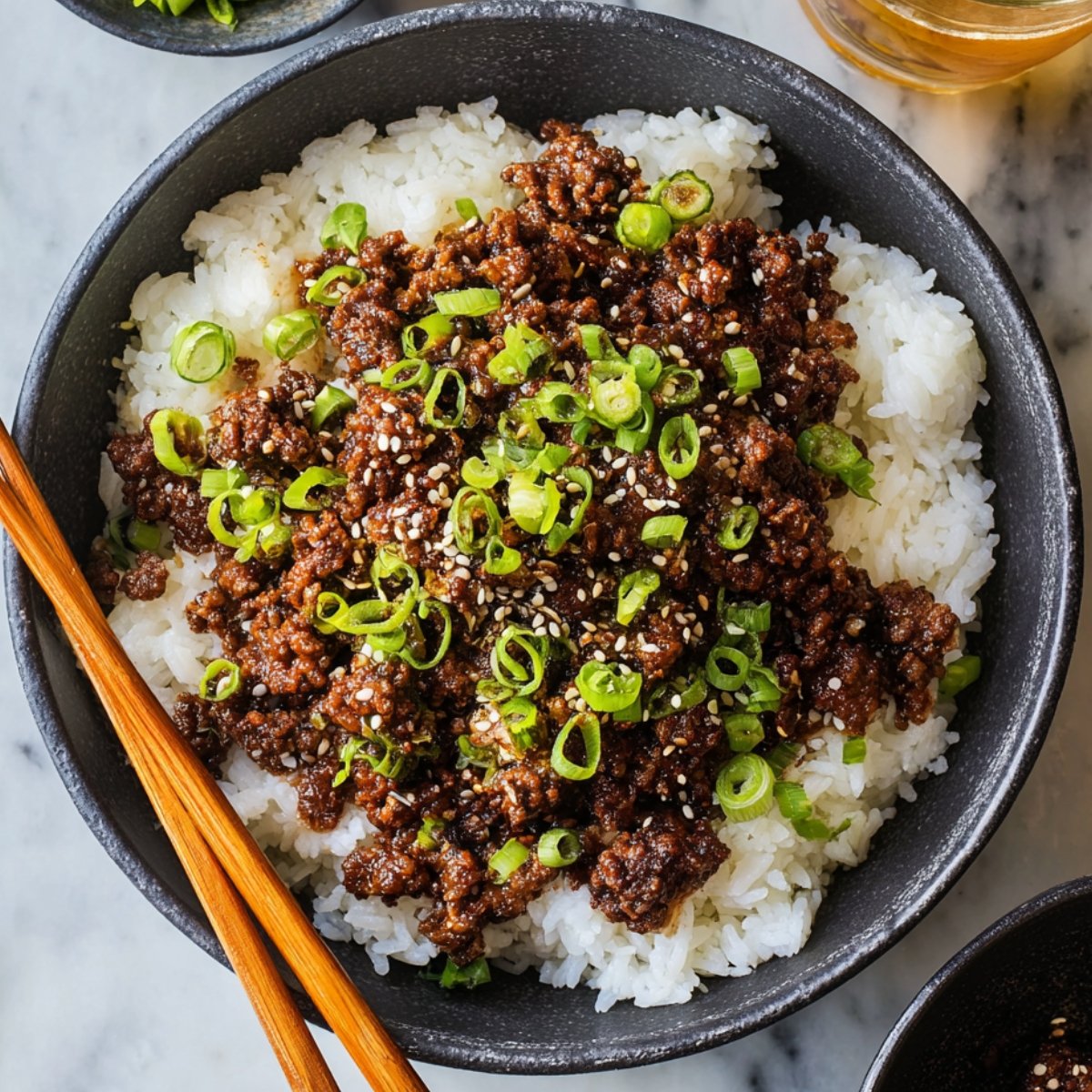
Savory ground beef tossed in a rich, garlicky soy sauce with just the right kick of heat, spooned over fluffy rice and finished with fresh green onions. That's a Korean Beef Bowl — and once you make it on a Tuesday night with barely any dishes to wash, it's going to become your new weeknight staple. I stumbled onto this recipe during a phase when I was trying to cook more at home without spending an hour doing it, and this one genuinely stopped me in my tracks. The whole thing comes together in 15 minutes, and the flavors taste like you did way more work than you actually did.
If you love big, bold Asian-inspired flavors, you might also want to bookmark my Easy Authentic Pappardelle Bolognese Recipe for a cozy weekend dinner, or check out my Easy Turkish Ezme Recipe for a fresh side that pairs beautifully with grilled meats. And on nights when you want something lighter to round out the table, my Easy Baked Fish with Cherry Tomatoes and Olives Recipe is always a crowd-pleaser.
Why You will Love This Korean Beef Bowl Recipe
This Korean Beef Bowl stir-fry is one of those recipes that earns a permanent spot in your rotation without you even trying. Here's why:
Meal-prep friendly. The beef keeps beautifully in the fridge for a few days.
It's genuinely fast. 5 minutes of prep, 10 minutes of cooking. Done.
Simple pantry ingredients. Soy sauce, sesame oil, garlic, brown sugar — things you probably already have.
Flexible. Serve it over rice, noodles, or tuck it into lettuce wraps for a lighter bite.
Family-friendly heat. You control the spice by adjusting the red pepper flakes.
Jump to:
Korean Beef Bowl Ingredients
Everything for this easy Korean Beef Bowl recipe, with a note on why each one matters.
See Recipe Card Below This Post For Ingredient Quantities
- Ground beef: The base of this dish. One pound gives you four solid servings. Use 85/15 or 90/10 for the best flavor without too much grease to drain off.
- Olive oil or vegetable oil: Just a teaspoon to get the garlic going and prevent sticking. Either works fine here.
- Brown sugar: Adds that signature sweet depth to the sauce. It balances the salty soy sauce and creates a slightly sticky glaze on the beef.
- Reduced-sodium soy sauce: The backbone of the flavor — savory, umami-rich, and salty without being overwhelming. Reduced-sodium keeps the dish from being too salty.
- Sesame oil: This is what gives the dish its distinctly Korean character. A little goes a long way, and it adds a nutty, toasty richness to the sauce.
- Minced garlic: Two tablespoons, divided between the sauce and the pan. Starting with garlic in the oil layers the flavor in a way that really makes a difference.
- Ground ginger: Warm and slightly peppery, ginger balances the sweetness and adds complexity. Ginger paste works just as well if that's what you have.
- Crushed red pepper flakes: This is your heat dial. Start with half a teaspoon for mild warmth, or go the full teaspoon if you like a spicy Korean beef bowl.
- Green onions: Fresh, bright, and a little sharp — they cut through the richness of the beef and make the whole bowl feel put-together.
- Rice, noodles, or lettuce: White rice is the classic base, brown rice adds a little nuttiness, and lettuce wraps make a fun low-carb option.
how to make Korean Beef Bowl
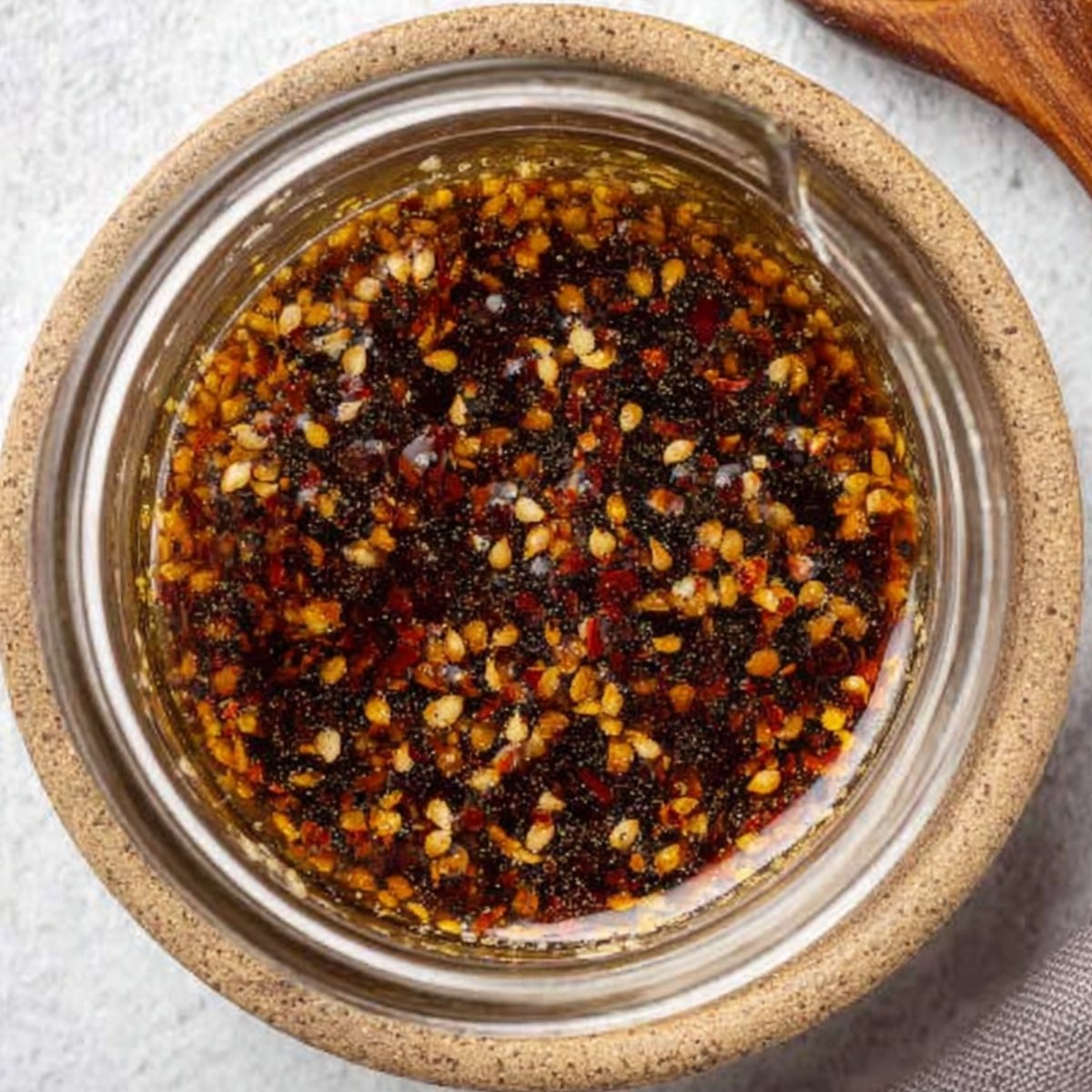
- Make the sauce: In a small bowl, whisk together the brown sugar, soy sauce, sesame oil, 1½ tablespoons of minced garlic, ground ginger, and crushed red pepper flakes. Set it aside — the sauce comes together in about 30 seconds and smells incredible already.
- Infuse the oil: Heat 1 teaspoon of oil in a large skillet over medium-high heat. Add the remaining ½ tablespoon of minced garlic and sauté for about one minute, just until fragrant. You want the kitchen to smell amazing before the beef even goes in.
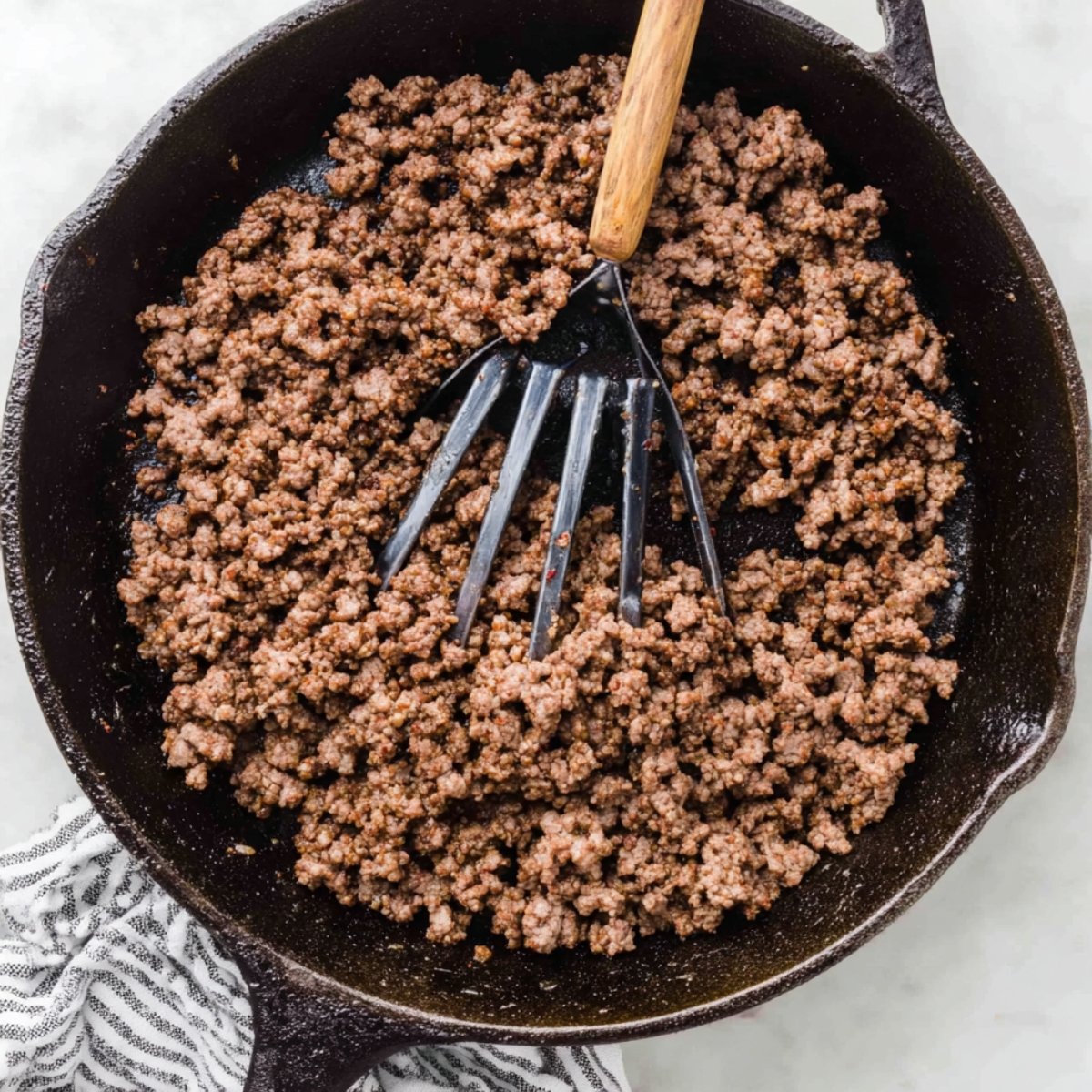
- Brown the beef: Add the ground beef to the skillet and cook, breaking it up as you go, until it's fully browned and crumbled — about 7 to 8 minutes. Drain any excess fat so the sauce can cling to the meat instead of swimming in grease.
- Add the sauce: Pour the soy sauce mixture over the cooked beef, stir everything together, and let it simmer for 2 to 3 minutes. The sauce will reduce slightly and coat the beef in a glossy, savory glaze.
- Garnish and serve: Spoon the beef over cooked rice, noodles, or into lettuce cups. Finish with a generous handful of thinly sliced green onions and serve right away.
Substitutions and Easy Swaps
No fresh garlic? Use about ½ teaspoon garlic powder in the sauce and ½ teaspoon in the oil
No sesame oil? A small amount of toasted sesame seeds stirred in at the end gives you some of that nutty flavor.
Ground turkey or chicken: Both swap in easily for a leaner version. Cooking time stays the same.
Coconut aminos instead of soy sauce: Great for gluten-free cooking. It's a little sweeter naturally, so reduce the brown sugar slightly.
Honey instead of brown sugar: Gives a slightly floral sweetness and works just as well.
EQUIPMENT for Korean Beef Bowl
Large skillet or frying pan
Small mixing Korean Beef Bowl
Whisk
Knife (for green onions)
Storage and Meal Prep Tips
Meal prep tip: Cook a big batch of rice at the start of the week, portion it out, and add freshly reheated beef for easy lunches all week.
Refrigerator: Store leftover beef in an airtight container for up to 4 days. It reheats beautifully in a skillet or microwave.
Freezer: The cooked Korean Beef Bowl freezes well for up to 3 months. Thaw overnight in the fridge before reheating.
Expert Tips
Don't skip draining the fat. Excess grease dilutes the sauce and makes the dish feel heavy. Take 30 seconds to drain it and the final result is so much better.
Let the sauce simmer. Those 2 to 3 minutes of simmering time matter — the sauce reduces and thickens into a proper glaze instead of a thin liquid.
Mise en place is your friend. This dish moves fast. Have your sauce whisked and ready before the Korean Beef Bowl goes in.
Fresh garlic makes a difference. Pre-minced jarred garlic works fine, but fresh garlic in the oil at the start gives the dish extra savory depth.
Adjust the heat as you go. Red pepper flakes can vary in intensity. Start low, taste the sauce, and add more if you want more kick.
FAQ
What does gochujang taste like?
Gochujang is a Korean fermented red pepper paste with a deep, complex flavor — spicy, slightly sweet, and earthy all at once. It's richer and more layered than plain chili flakes. This recipe uses crushed red pepper flakes for a simpler, quicker result, but gochujang would add a more traditional Korean depth if you want to experiment.
Is gochujang gluten-free?
Traditional gochujang is made with glutinous rice, which is actually gluten-free. However, some commercial brands add wheat during processing. Always check the label if you're cooking for someone with gluten sensitivity or celiac disease.
What is a good substitute for gochujang?
A mix of sriracha and a small amount of miso paste gets you pretty close in flavor. Red pepper flakes with a touch of soy sauce also work in a pinch. For this Korean Beef Bowl, the crushed red pepper flakes and soy sauce in the recipe already cover the savory-spicy balance well.
How do I make these Korean Beef Bowl mild?
Leave out the red pepper flakes entirely, or use a very small pinch. The sauce is naturally sweet and savory without any heat, and it's still delicious. My neighbor Evelyn always makes hers without any pepper and her kids devour it every time — so that's your proof right there.
Related
Looking for other recipes like this? Try these:



Pairing
These are my favorite dishes to serve with Korean Beef Bowl:



Korean Beef Bowl
Ingredients
Method
- In a small bowl, whisk together brown sugar, soy sauce, sesame oil, 1 ½ tablespoons minced garlic, ground ginger, and red pepper flakes until smooth. Set aside.
- Heat olive or vegetable oil in a large skillet over medium heat. Add the remaining ½ tablespoon garlic to the pan and cook for about 30 seconds.
- Add the ground beef to the skillet and cook, breaking it up as it browns. Continue cooking until fully browned, then drain off excess fat.
- Pour the prepared soy sauce mixture over the cooked beef. Stir to combine, and let simmer for 2-3 minutes until the sauce thickens slightly.
- Garnish with thinly sliced green onions. Serve over rice, noodles, or in lettuce wraps.



Leave a Reply