
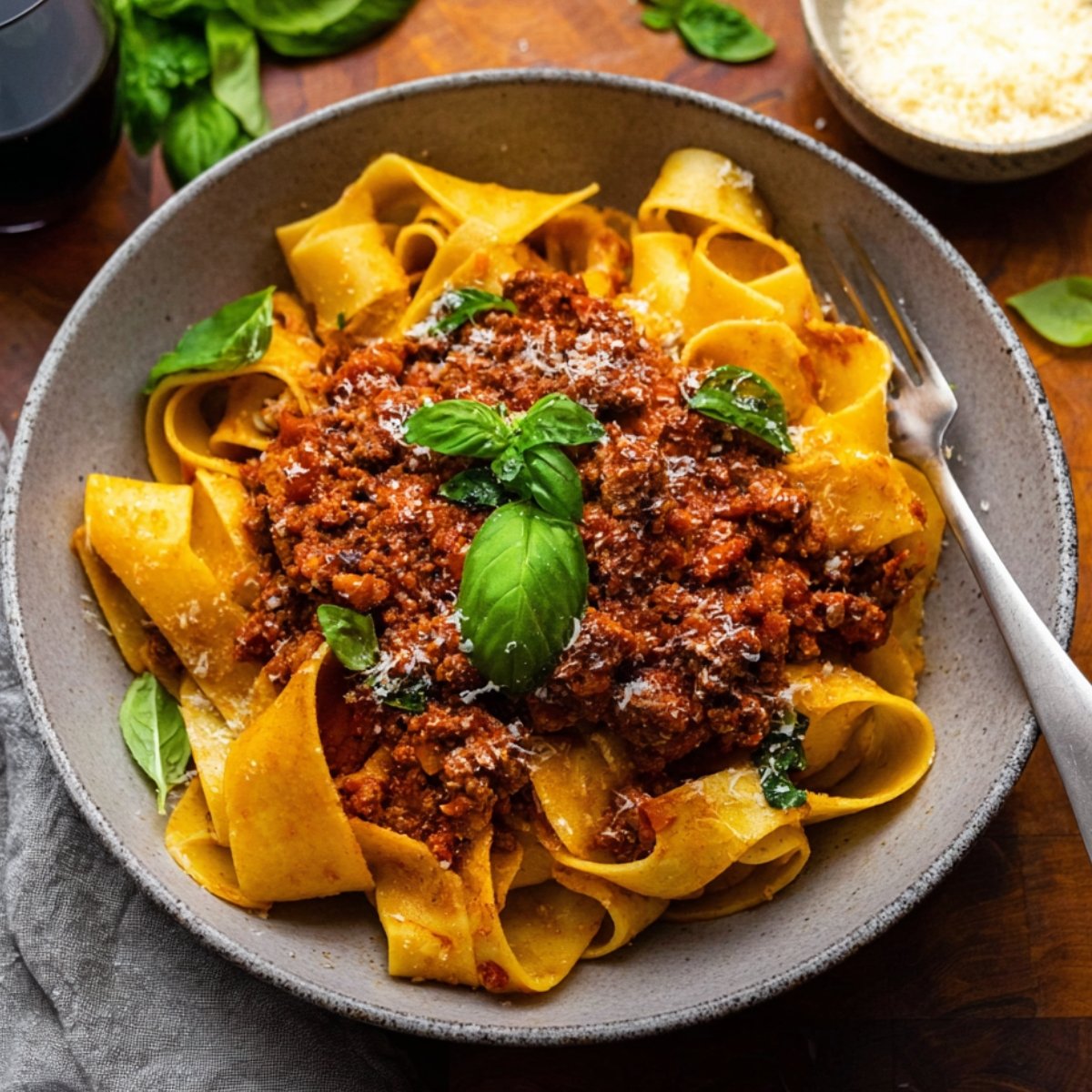
Authentic Pappardelle Bolognese is the kind of recipe that fills your whole kitchen with a smell so good, people start hovering around the stove about two hours before dinner is even close to ready. Thick, wide ribbons of Authentic Pappardelle Bolognese tangled up in a deeply rich, slow-cooked meat sauce - browned pancetta, sweet soffritto, wine slowly cooked down to something silky and complex. I made this for the first time on a quiet Saturday in January, following the classic Italian ragù method, and it honestly changed how I think about pasta sauce entirely.
If you're a fan of Italian comfort food, you'll also want to bookmark my Best Creamy Chicken Pesto Pasta, my Easy Coconut Lime Fish Soup, and my Easy Chicken Bacon Ranch Casserole for cozy weeknight dinners when you want something satisfying with less fuss.
Why You'll Love This Authentic Pappardelle Bolognese Recipe
Rich, slow-cooked, and deeply satisfying - this is the kind of pasta dish that makes people go quiet at the dinner table because they're too busy eating to talk. Authentic Pappardelle Bolognese is everything a Sunday sauce should be, and once you make it this way, it's hard to go back to anything quicker.
Jump to:
- Why You'll Love This Authentic Pappardelle Bolognese Recipe
- Authentic Pappardelle Bolognese Ingredients
- How to Make Authentic Pappardelle Bolognese
- Substitutions and Easy Swaps
- EQUIPMENT for Authentic Pappardelle Bolognese
- How to Store and Reheat Your Bolognese
- Expert Tips
- FAQ
- Related
- Pairing
- Authentic Pappardelle Bolognese (Ragù alla Bolognese)
Authentic Pappardelle Bolognese Ingredients
Here's everything you'll need, and why each piece earns its place in the pot.
See Recipe Card Below This Post For Ingredient Quantities
Soffritto
- Olive oil : The cooking fat base that starts everything. It helps the pancetta render slowly and prevents the vegetables from scorching.
- Salted butter: Combined with the olive oil, it adds richness and slight creaminess right from the beginning.
- Yellow or red onion : The sweet, savory backbone of the soffritto. It cooks down completely and disappears into the sauce, adding depth you can taste but not see.
- Carrots : Finely chopped carrots bring a natural sweetness that balances the acidity of the tomatoes. They soften and melt into the sauce as it cooks.
- Celery ribs : Add a subtle herbaceous, savory note that rounds out the soffritto base without overpowering it.
The Meat
- Pancetta : Cured Italian pork belly that forms the first flavor layer of the sauce. It renders its fat and creates a savory, porky base that ground meat alone can't replicate. Don't skip it.
- Ground pork : Adds moisture, fat, and a gentle natural sweetness to the meat blend. It keeps the ragù tender and rich throughout the long simmer.
- Ground beef : Brings hearty, savory depth. Together with the pork, it creates the classic Bolognese meat combination - neither one alone gives you quite the same result.
The Sauce
- San Marzano plum tomatoes : The gold standard for Italian cooking. Sweeter and less acidic than regular canned tomatoes, they give the sauce a clean tomato flavor without being sharp or overwhelming. Hand-crush or pulse them before adding.
- Tomato paste : Concentrated tomato flavor that deepens and darkens the sauce. Cooking it with the wine for a few minutes mellows its raw edge.
- Dry white or red wine : Deglazes the pot and adds complexity. The alcohol cooks off completely, leaving only the flavor behind.
- Beef or chicken stock : Keeps the sauce fluid during the long simmer and adds another layer of savory depth. Add a splash more if the sauce thickens too much before time is up.
- Whole milk : The traditional Bolognese finishing step. Stirred in during the last 30 minutes to an hour, it softens the acidity and gives the sauce its characteristic creamy richness.
- Parmigiano Reggiano cheese rind : An old Italian kitchen secret. The rind melts slowly into the sauce and infuses it with a deep, nutty, umami flavor. Save your rinds in a freezer bag - they're invaluable.
Seasonings
- Nutmeg (healthy pinch): A traditional Bolognese spice that sounds unexpected but works beautifully. It adds a subtle warmth that you'd miss if it weren't there.
- Salt and black pepper to taste: Season throughout cooking. The pancetta and Parmigiano rind both contribute saltiness, so taste as you go.
Pasta and Finishing
- Dried pappardelle : Wide, flat ribbons that are ideal for thick, meaty sauces. Their broad surface area catches every bit of ragù beautifully.
- Parmigiano Reggiano, freshly grated : Stirred into the finished dish and used to top each bowl. Freshly grated melts in properly - the pre-grated bags don't behave the same way.
How to Make Authentic Pappardelle Bolognese
Follow these steps in order and let the sauce tell you when it's ready. The timing is a guide, but your nose and eyes matter too.
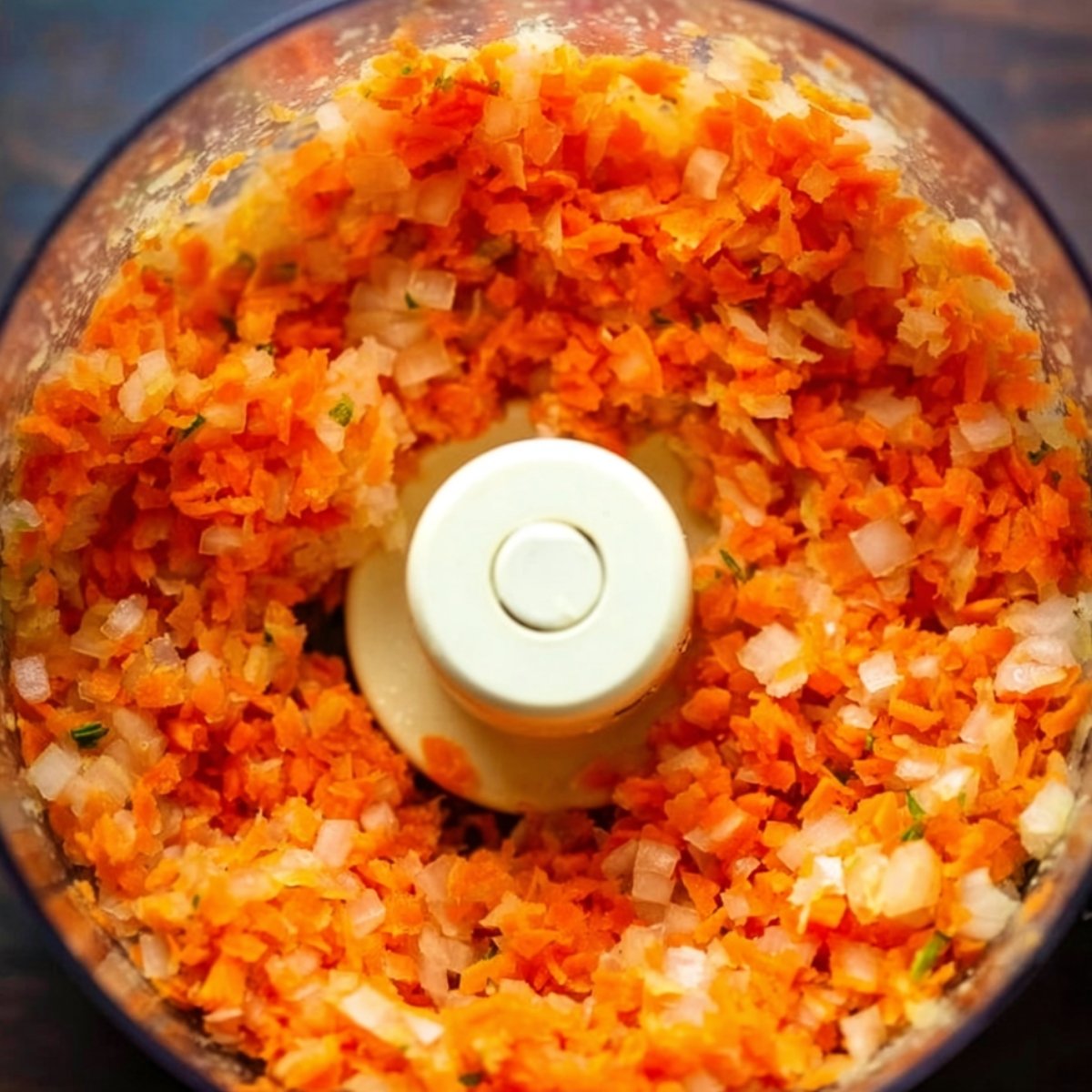
- Prepare the soffritto: Finely chop the onion, carrots, and celery by hand with a sharp chef's knife, or pulse them in a food processor until very finely diced. The smaller the chop, the more completely they'll melt into the sauce during the long simmer.
- Cook the pancetta: Heat the olive oil and butter together in a large Dutch oven or cast iron pot over medium heat. Add the diced pancetta and cook for 3-5 minutes, stirring occasionally, until browned and the fat has rendered out. Your kitchen will start smelling extraordinary right about here.
- Soften the soffritto: Add the chopped onion, carrots, and celery to the pot with a pinch of salt. Stir to coat in the fat and cook for 3-4 minutes, stirring occasionally, until the vegetables have softened and the onion is translucent and sweet-smelling.
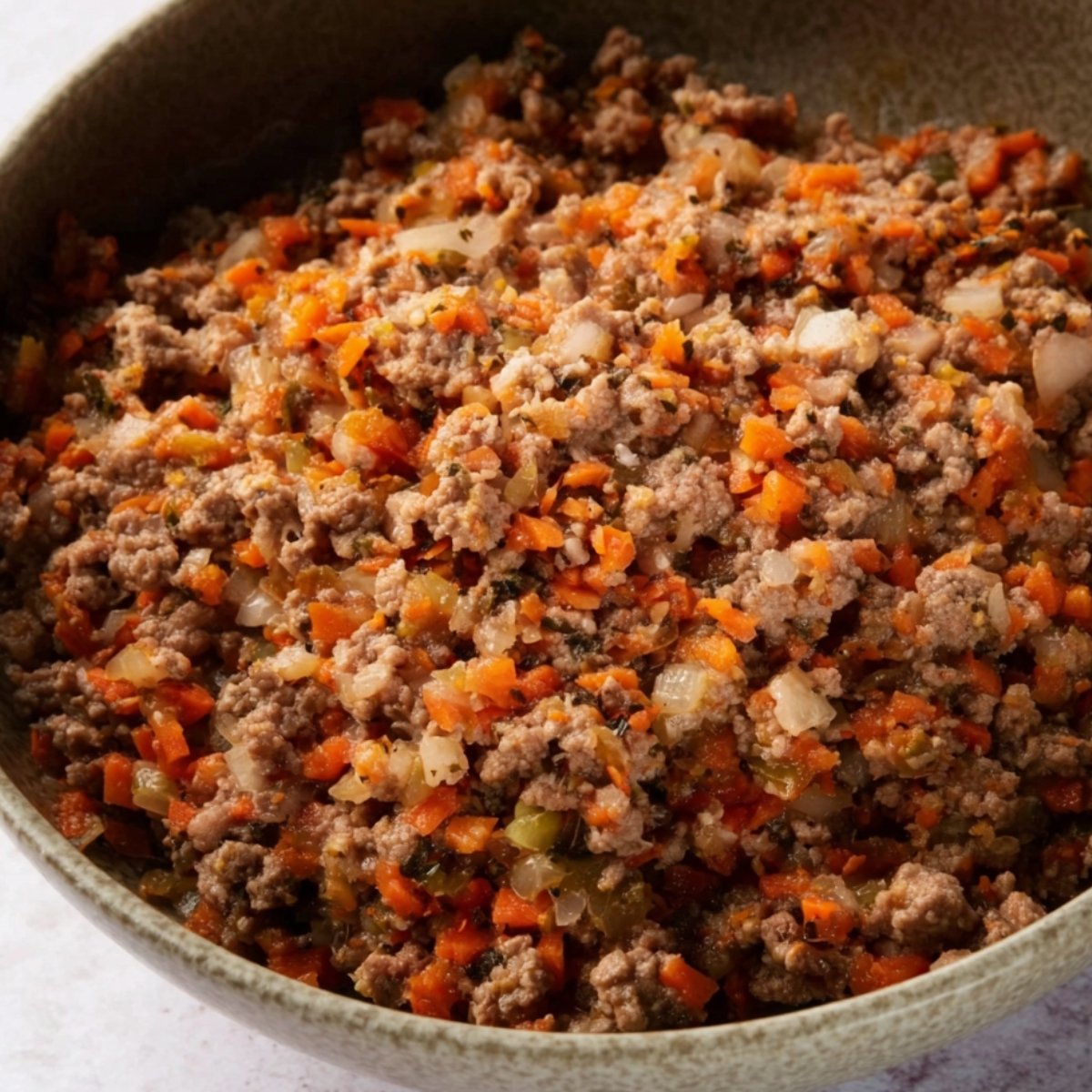
- Brown the meat: Add the ground pork and beef to the pot. Break it up thoroughly with a wooden spoon and cook, stirring occasionally, until fully browned and most of the liquid has evaporated. This step matters - you want the meat to brown, not steam. If it's sitting in a lot of liquid, turn the heat up slightly.
- Cook off the wine and tomato paste: Pour in the wine and stir well, scraping up any browned bits from the bottom of the pot. Let it bubble and cook for 3-4 minutes until the alcohol has cooked off and the sharp smell has mellowed. Stir in the tomato paste and cook for another 2-3 minutes, letting it darken slightly and coat the meat.
- Start the long simmer: Add the hand-crushed San Marzano tomatoes with all their juices, the stock, and the Parmigiano cheese rind. Season with salt, black pepper, and the pinch of nutmeg. Stir everything together well, bring to a gentle simmer, then cover and cook on very low heat for 4-5 hours, stirring occasionally. The sauce will slowly reduce and develop an incredible richness. Keep the heat low - it should barely blip.
- Add the milk: In the last 30 minutes to 1 hour of cooking, stir in the whole milk. It may look a little odd at first, but it will blend in smoothly and soften the sauce beautifully. This is the step that gives authentic homemade ragù alla bolognese its distinctive round, creamy finish.
- Cook the Authentic Pappardelle Bolognese: When the sauce is nearly ready, bring a large pot of generously salted water to a rolling boil. Cook the Authentic Pappardelle Bolognese according to package instructions until al dente - it should have a slight bite. Before draining, scoop out and reserve ¾ cup of the starchy pasta water.
- Combine pasta and sauce: Drain the pasta and add it directly into the pot with the Bolognese sauce, along with the reserved pasta water. Add the 1 cup of freshly grated Parmigiano Reggiano. Toss and stir well until the pasta is coated, the cheese has melted in, and everything looks glossy and well combined. Serve: Dish it up immediately into warm pasta bowls. Finish each one with extra freshly grated Parmigiano Reggiano and a generous crack of black pepper. Enjoy your Authentic Pappardelle Bolognese right away, while it's at its very best.
Substitutions and Easy Swaps
This is a traditional Authentic Pappardelle Bolognese recipe, but life doesn't always go according to plan. Here's what you can work with.
Dairy-free: Replace the butter with additional olive oil and use unsweetened oat or cashew milk in place of whole milk. Leave out the Parmigiano rind, or drop in a small piece of kombu for similar umami depth.
No pancetta: Thick-cut bacon or guanciale are both solid stand-ins. The flavor will shift slightly but the sauce will still be excellent.
Ground beef only: You can use all beef if that's what you have on hand. The sauce will be a bit leaner, so stir in a small knob of butter at the end to compensate for the missing fat from the pork.
Red wine vs. white wine: Both are used in traditional Authentic Pappardelle Bolognese recipes across different regions of Italy. Red wine produces a slightly deeper, more robust sauce. White keeps it a little lighter and brighter. Use whichever bottle is already open.
No San Marzano tomatoes: Use the best quality canned whole plum tomatoes you can find. San Marzano are worth seeking out, but a good domestic brand gets you most of the way there.
Different pasta: Tagliatelle is the most classic choice for this ragù. Rigatoni and paccheri also work beautifully, catching the sauce in their ridges and tubes.
EQUIPMENT for Authentic Pappardelle Bolognese
Chef's knife or food processor: For finely chopping the soffritto vegetables. A food processor speeds this up considerably.
Large Dutch oven or cast iron pot: Essential for the long simmer. A heavy pot holds heat evenly and prevents the sauce from scorching on the bottom during those four-plus hours.
Large pot for boiling pasta: Needs to comfortably hold 1 lb of Authentic Pappardelle Bolognese with plenty of salted water.
Wooden spoon: For stirring and scraping up the browned bits during cooking.
Pasta strainer: For draining the Authentic Pappardelle Bolognese. Have your pasta water reserved before you drain.
Cheese grater: For freshly grating the Parmigiano Reggiano. A box grater or Microplane both work well.
How to Store and Reheat Your Bolognese
One of the best things about this recipe is how well the sauce keeps. It's a gift to future-you.
Mixed pasta and sauce: Store leftover mixed pasta separately from any remaining plain sauce. The pasta absorbs moisture quickly, so keeping them apart gives you better results when reheating.
Refrigerator: Store leftover sauce in an airtight container for up to 4-5 days. The flavor genuinely improves after a day or two as everything continues to meld together.
Freezer: Authentic Pappardelle Bolognese sauce freezes beautifully for up to 3 months. Let it cool completely, then portion it into freezer-safe containers or zip-lock bags. Thaw overnight in the refrigerator and reheat gently on the stove.
Reheating: Warm the sauce over low heat, adding a splash of stock or water to loosen it as needed. Always cook fresh pasta to serve alongside rather than storing them mixed together.
Expert Tips
Don't rush the soffritto: Those first few minutes with the vegetables set the flavor foundation for everything that follows. Give them the full 3-4 minutes to soften properly before adding the meat.
Brown the meat properly: Cook until the liquid has evaporated and the meat is actually browned, not just cooked through. Browning creates flavor. If it's sitting in liquid, turn the heat up.
Keep the simmer very low: An authentic ragù alla Authentic Pappardelle Bolognese should barely bubble during the long cook - just an occasional lazy blip. Too high a heat will reduce the sauce too fast and can make it taste harsh.
Use your pasta water: Starchy pasta water helps the sauce cling to the pasta and gives everything a glossy, restaurant-quality finish. Don't forget to scoop it out before draining.
Save your Parmigiano rinds: Keep them in a zip-lock bag in the freezer. They're invaluable in slow-cooked sauces like this one - pure concentrated flavor.
Taste and season at the end: After stirring in the milk and before combining with the pasta, taste the sauce and adjust the salt if needed. The long simmer concentrates everything, so a final check is always worth it.
FAQ
How long does Authentic Pappardelle Bolognese take to cook?
A true homemade ragù alla Authentic Pappardelle Bolognese needs at least 4 hours of low, slow simmering - and closer to 5 is even better. The active prep work takes about 30 minutes, and then the sauce does the rest almost entirely on its own. Get it going in the late morning and dinner practically cooks itself while you go about your day.
What are some common mistakes to avoid when making Bolognese sauce?
The biggest mistake is rushing it - not browning the meat well enough, skipping the full simmer time, or cooking the soffritto too quickly. Another common one is using too much tomato, which tips the sauce toward marinara territory rather than a proper meat-forward ragù. In Authentic Pappardelle Bolognese, the meat is the main character and the tomato is a supporting role.
What makes ragù alla bolognese unique?
Traditional ragù alla bolognese is fundamentally a meat sauce, not a tomato sauce. The soffritto base, the combination of pork and beef with pancetta, the wine, the very long and gentle simmer, and the finishing splash of whole milk are all characteristic. That milk step in particular - it's what softens the acidity and gives the sauce its distinctly smooth, rich texture that sets it apart from any quick meat sauce.
What makes Authentic Pappardelle Bolognese?
The traditional Authentic Pappardelle Bolognese recipe registered with the Bologna Chamber of Commerce calls specifically for beef, pancetta, onion, carrot, celery, tomato paste (not a heavy canned tomato base), white wine, and whole milk. The restraint with tomato, the inclusion of whole milk, and the long slow simmer are the defining characteristics. The most traditional pasta choice is tagliatelle, though Authentic Pappardelle Bolognese has become equally beloved - those wide ribbons were practically made for catching thick ragù.
Related
Looking for other recipes like this? Try these:


Pairing
These are my favorite dishes to serve with Authentic Pappardelle Bolognese:


Authentic Pappardelle Bolognese (Ragù alla Bolognese)
Ingredients
Method
- Chop the soffritto by finely chopping the onion, carrots, and celery.
- In a large cast iron or Dutch oven, heat the olive oil and butter over medium heat. Add the pancetta and cook for 3-5 minutes until crisp and browned.
- Add the chopped soffritto (onion, carrots, and celery) to the pot and season with a pinch of salt. Cook for 3-4 minutes until softened.
- Add the ground pork and beef to the pot. Cook, breaking up the meat, until no longer pink and the meat's liquid is absorbed.
- Pour in the wine to deglaze the pan. Stir and let the alcohol cook off for about 3-4 minutes. Then, add the tomato paste and cook for 2-3 minutes, stirring constantly.
- Add the crushed tomatoes, beef stock (or chicken stock), and Parmigiano Reggiano cheese rind to the pot. Season with salt, pepper, and nutmeg. Stir to combine. Bring the mixture to a simmer. Cover the pot with a lid and cook on very low heat for 4-5 hours, stirring occasionally.
- In the final 30-60 minutes of cooking, stir in the whole milk to add richness.
- Meanwhile, bring a large pot of salted water to a boil and cook the pappardelle pasta according to the package instructions. Drain, reserving ¾ cup of pasta water.
- Add the cooked pasta and reserved pasta water back to the pot. Pour in the Bolognese sauce, stirring until the pasta is coated. Add the freshly grated Parmigiano Reggiano and stir to combine.
- Serve the dish with additional cracked black pepper and extra Parmigiano Reggiano, if desired.

Leave a Reply